Sedona's In-Town Tasting Rooms: Wine Without the Drive
Sedona grows almost no wine, but it pours plenty of it. Here is what the in-town rooms actually give you, what they cost, and the nights they beat a full vineyard day.
 By Patricia Collins, Sedona wine tour specialist & Verde Valley experience guide
Short answer
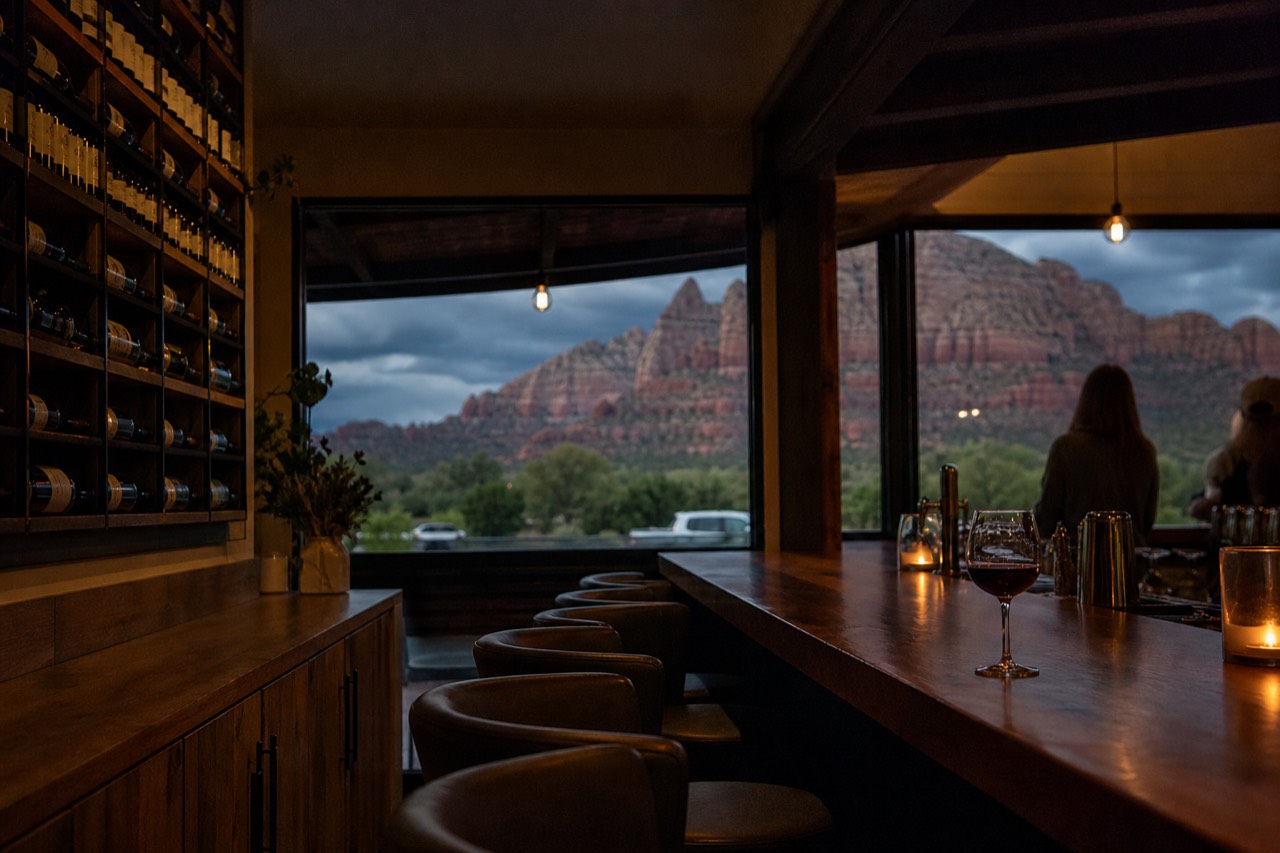
Sedona has tasting rooms but almost no vineyards. Art of Wine in Uptown pours 40 or more wines by the glass with flights from $15, and Vino di Sedona stocks over 900 bottles with 50 plus by the glass. An in-town evening costs less than a tour day but skips the vineyards entirely.
The bottle on the counter in front of you in Uptown Sedona was almost certainly grown somewhere else. Not far, but elsewhere: on a bench above Oak Creek at Page Springs, on the flats near Cornville, or out where the Verde River meets Oak Creek near Camp Verde. Sedona has red rock, hotels and a tourist economy. What it does not have, in any real quantity, is planted vines.
That gap between where the wine is poured and where it is grown is the single most useful thing to understand before you plan a wine evening here. It decides whether you walk two blocks or ride a bus for six hours, whether you pay a fee per flight or one price for the day, and whether you finish the night looking at a wall of bottles or at a row of Syrah going gold in October light.
Can you go wine tasting in Sedona without leaving town?
Yes. Sedona has a small cluster of in-town tasting rooms and wine bars, mostly in Uptown and West Sedona, that pour Arizona and imported wine by the glass and by the flight. You walk in, you taste, you leave. What you do not get is a vineyard, a barrel room, or a winemaker.
The distinction matters because a lot of people arrive expecting Napa geography and find something closer to a wine district that outsourced its farming. The vines are real and they are close, but they are not here. They sit 20 to 40 minutes southwest, inside the Verde Valley AVA, an appellation the federal government established on November 9, 2021 as Arizona's third and the 260th in the country. That AVA covers roughly 200 square miles and holds about 125 planted acres, 24 vineyards, 11 wineries and 25 tasting rooms spread across Cottonwood, Cornville, Page Springs, Camp Verde, Clarkdale and Jerome.
Sedona's rooms are the retail end of that system. They buy, list, pour and sell what the valley makes, alongside wine from everywhere else. For a certain kind of visitor that is exactly right. You landed at four in the afternoon, you are not renting a car, the light is going, and you want a glass of Arizona Syrah in your hand within twenty minutes of dropping your bag. No tour on earth solves that. A tasting room across the street does.
For another kind of visitor it is a letdown. If you came to see how wine gets made at 3,500 feet in the high desert, a storefront counter will not answer the question. That is when you point yourself at the valley, and the full picture of who grows what is laid out in our complete list of Sedona and Verde Valley wineries.
| Room | Where | Known for | Walk-ins |
|---|---|---|---|
| Art of Wine | Uptown Sedona | 40+ wines by the glass, 600+ bottle shop, flights from $15 | Yes, happy hour 3 to 5 pm daily |
| Vino di Sedona | West Sedona | Over 900 wines listed, 50+ by the glass, daily Arizona flights | Yes |
| Winery 101 | Uptown Sedona | Small Arizona-focused pour counter in the Uptown shopping strip | Yes |
| Vino-Zona | Sedona | Arizona-focused tasting bar, active through 2026 | Yes |
| Decanter | Village of Oak Creek | The southern-end option, closest to the SR-179 hotels | Yes |
What is Art of Wine in Uptown Sedona actually like?
Art of Wine sits in Uptown and runs on volume of choice: more than 40 wines available by the glass and a bottle shop carrying over 600 labels. Flights start at $15, happy hour runs 3 to 5 pm daily, and you do not need a reservation. It is a wine shop and a tasting bar sharing one room.
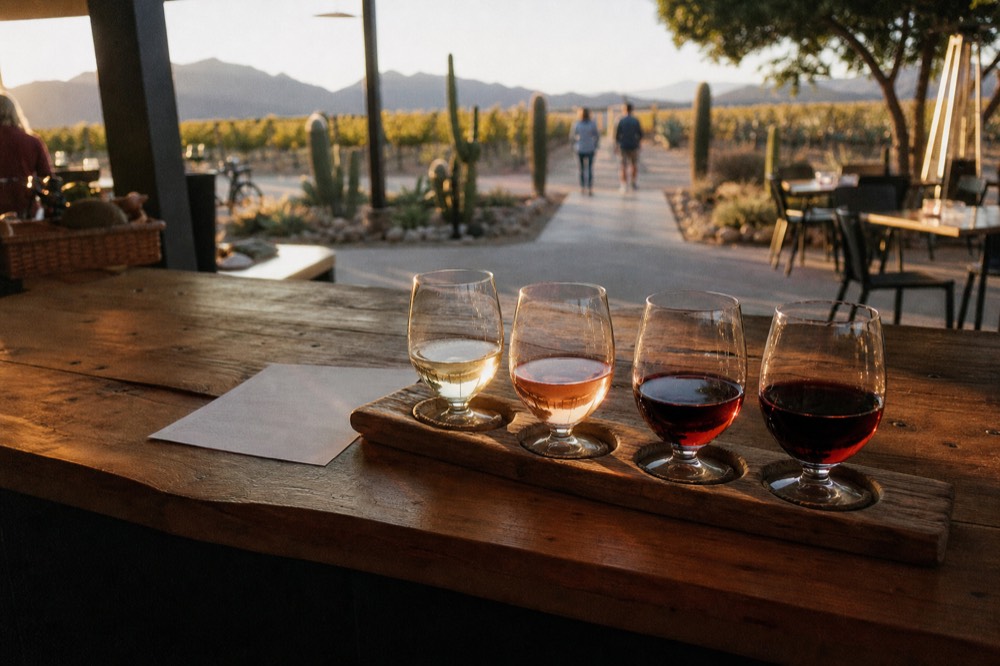
The format is the point. Most vineyard tasting rooms hand you a fixed flight of what that estate made this year, four or five pours, take it or leave it. Art of Wine works the other way. The list is wide, the by-the-glass program is deep, and you assemble your own comparison. Want an Arizona Malvasia Bianca next to a Rhône white so you can see whether the desert version holds up? You can do that here and you cannot do it at a single-estate counter.
That width is also what makes it a genuinely good first stop. If you have never tasted Arizona wine and you are trying to decide whether the Verde Valley deserves a whole day of your trip, an hour here is cheap reconnaissance. Taste a Syrah, a Sangiovese and a Petite Sirah side by side. If two of the three land, you now know which vineyards to prioritise tomorrow. If none of them do, you just saved yourself six hours and a hundred dollars, which is a legitimate outcome and one nobody selling tours likes to say out loud.
The bottle shop deserves separate attention. Six hundred labels is a serious retail list for a town this size, and it solves a specific problem: Verde Valley production is small, some of the best bottles never leave the valley, and a tasting room out in Cornville will happily sell you wine but only its own. An in-town shop with a broad Arizona section lets you take home a spread rather than a vertical.
Happy hour from 3 to 5 pm daily is the practical detail most visitors miss. That window sits exactly when the Cathedral Rock and Devil's Bridge crowds are coming off the trails and before dinner reservations start. If your afternoon plan collapsed because it hit 104 degrees, that is your fallback. Their own current list and hours live at artofwinesedona.com.
What makes Vino di Sedona different from the Uptown rooms?
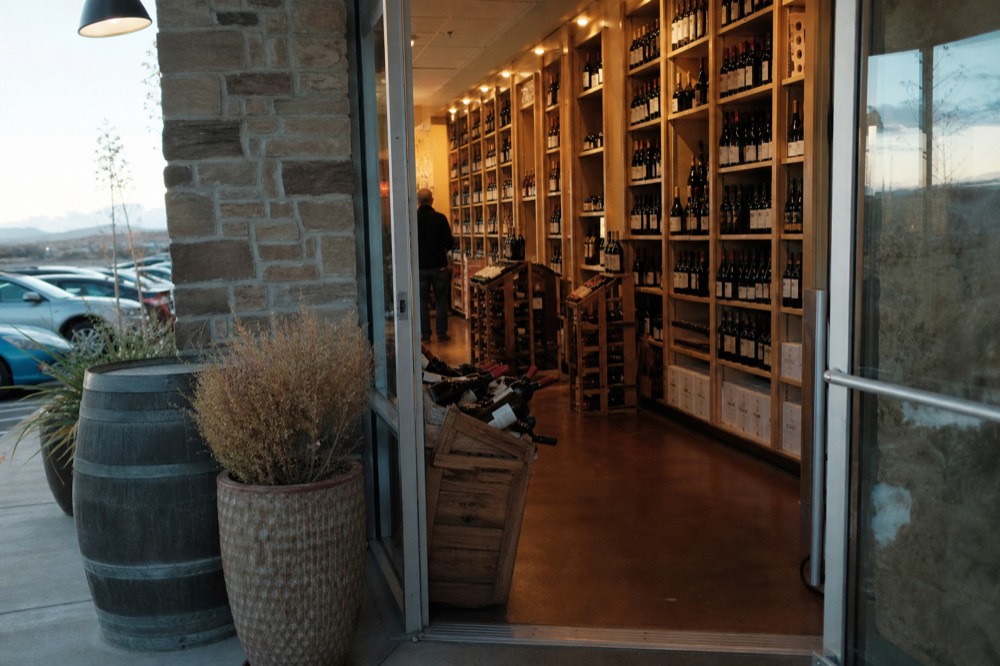
Vino di Sedona sits in West Sedona and runs a far larger list: over 900 wines including a deep Arizona section, more than 50 available by the glass, and Arizona wine flights offered every day. It leans wine bar rather than tasting counter, which changes the pacing of an evening there.
Nine hundred labels is not a tasting menu, it is a library. The practical effect is that Vino di Sedona is where you go when you already know roughly what you like and want to hunt inside that category. If you tasted a Verde Valley Sangiovese on a tour and want to compare three producers' versions, this is the room with enough depth to make that possible in one sitting.
The daily Arizona flight is the smart entry point for anyone doing this seriously. A curated Arizona flight, available every day rather than only on weekends, means you can taste the state's range without building the flight yourself and without gambling $15 on three unknowns. Ask what is in it before you order. Verde Valley plantings lean Rhône and Italian, so a well-built Arizona flight usually shows you Syrah or Petite Sirah, something Italian like Sangiovese or Barbera, and a white such as Malvasia Bianca or Picpoul Blanc.
There is a difference in atmosphere too, and it is worth choosing deliberately. An Uptown room at 4 pm is a tasting stop that people pass through between shops. A West Sedona wine bar in the evening is a place people sit down at. Live music, a longer stay, food alongside. If your plan is one focused hour of tasting, Uptown fits better. If the plan is the whole evening, West Sedona holds it better.
The trade is location. West Sedona is where the town actually lives, several miles of commercial corridor along 89A rather than a compact tourist strip, and that has consequences for how you get there and back that I cover further down. Their current list and event schedule are at vinodisedona.com.
| Art of Wine | Vino di Sedona | |
|---|---|---|
| Area | Uptown | West Sedona |
| Wines by the glass | 40+ | 50+ |
| Total list / shop depth | 600+ bottle shop | Over 900 wines listed |
| Arizona flights | Flights from $15 | Arizona flight available daily |
| Best for | A focused hour, then dinner | A full evening, sit-down pace |
Which other tasting rooms sit inside Sedona and the Village of Oak Creek?
Beyond the two anchors, Sedona holds Winery 101 in the Uptown shopping strip and Vino-Zona, both pouring Arizona-focused lists, with Decanter in the Village of Oak Creek covering the southern end of town near the SR-179 resorts. All are walk-in counters rather than estates.
Winery 101 is the one people stumble into rather than plan for. It sits inside the Uptown retail strip, which means it is a two-minute detour from wherever you are already shopping, and it is small. Treat it as an add-on pour rather than a destination. That is not a criticism. An Uptown wine crawl works precisely because the rooms are close enough that a short stop costs you nothing but ten minutes.
Vino-Zona has stayed active through 2026 and belongs on the same list, another Arizona-leaning bar rather than a producer's own room. Between these smaller counters and the two anchors, an Uptown-centred evening can genuinely fill three or four hours without a car ever moving.
Decanter in the Village of Oak Creek is the one to know if you are staying south of town. The Village sits on SR-179 below the switchbacks, and plenty of Sedona lodging is actually down there. From those hotels, driving up to Uptown for a glass and back is a real trip with real parking problems. Having a room at your end of the corridor changes the calculus of the whole evening.
What none of these places are is a winery. That word gets used loosely in Sedona marketing and it causes genuine confusion. A tasting room buys or represents wine and pours it. A winery crushes fruit and ferments it. The Verde Valley has 11 of the second kind and 25 of the first, and almost all of both sit outside Sedona city limits. If a room in Uptown calls itself a winery, ask where the tanks are. The honest ones will tell you Cornville.
If the goal is to stand in a barrel room, the shared runs out to the valley are the answer, and the current lineup with prices and durations sits on the shared vineyard tour lineup.
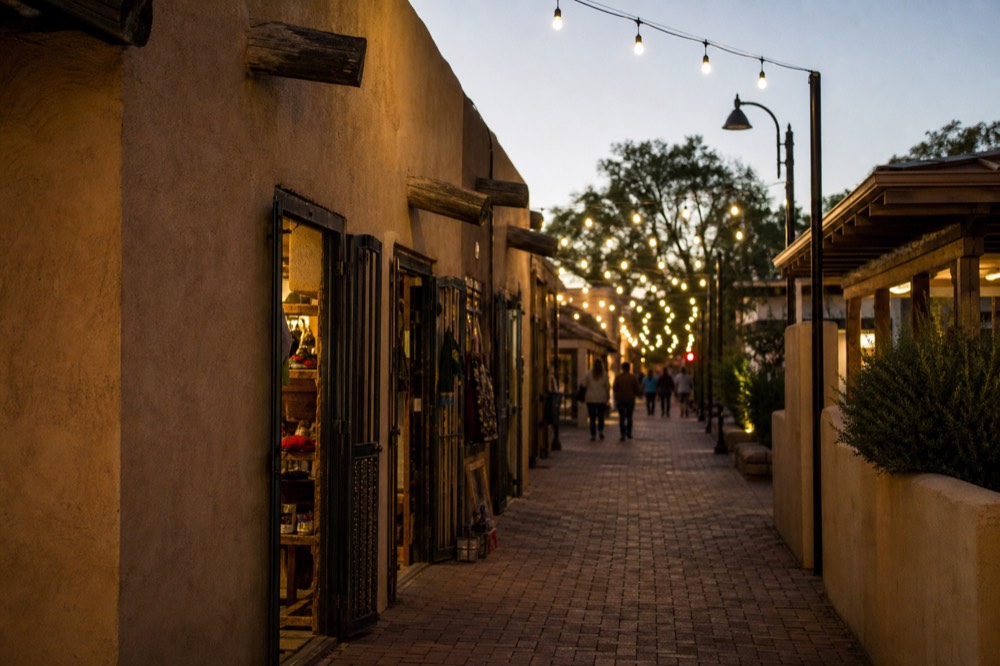
What does an in-town tasting evening actually cost?
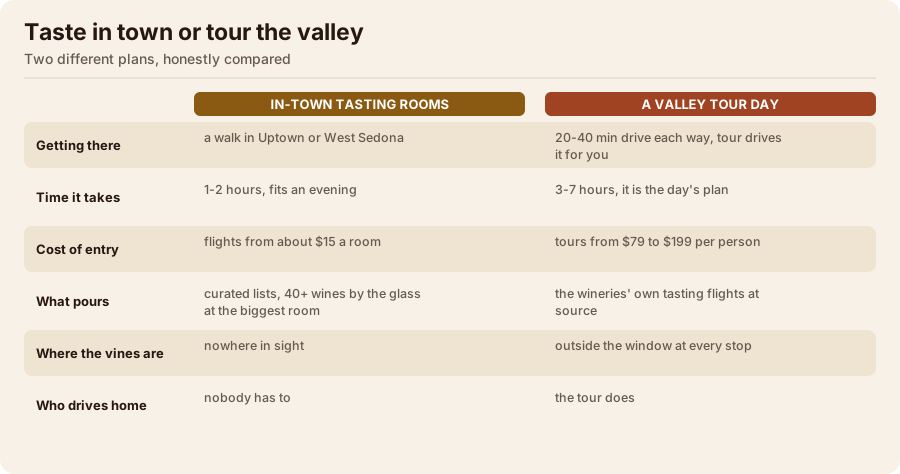
An in-town evening starts cheap and scales with appetite. Flights begin at $15 at Art of Wine, so two flights across two rooms starts around $30 per person plus whatever glasses and food you add. A valley tour starts at $79 per person and covers transport, and some cover tasting fees outright.
The comparison is not as simple as the raw numbers make it look, and the variable that flips it is tasting fees. Out in the valley, every estate charges its own fee. Some tours include those fees, some do not, and the difference on a four-winery day is significant. The all-inclusive shared run at $199 per person, for instance, folds every tasting fee and a made-to-order lunch into one price with five to six pours at each winery, which is a completely different proposition from a $109 ticket where you pay at each counter as you go. The listing itemises which it is, every time. Read that line before you compare prices.
In town, you never have that ambiguity. You pay per flight, per glass, at the counter, and you stop when you want to stop. That is the real advantage of an in-town evening for a cautious spender: the cost is fully under your control and the exit is always available. On a tour, you bought the whole day.
Where in-town gets expensive is when it stops being tasting and becomes drinking. Two flights is $30. Two flights plus four glasses plus a cheese board across two rooms across an evening is a different bill entirely, and it will quietly pass what a shared tour would have cost, without the vineyards, the driver or the lunch. I have watched that arithmetic surprise a lot of people on a Saturday night.
| What you are buying | Starting cost per person | Tasting fees | Transport | Time |
|---|---|---|---|---|
| One flight, one room | From $15 | You pay at the counter | Your own feet or a ride | 45 to 60 min |
| Two rooms, two flights | From about $30 | You pay at each counter | Ride between clusters if crossing town | 2 to 3 hours |
| Express vineyard run | $79 | Check the listing line | Included, most Sedona pickups | 3 hours |
| Limo-bus day, 4 wineries | $109 | Check the listing line | Included, plus picnic | 6 to 7 hours |
| All-inclusive shared day | $199 | Included, plus lunch | Included, lodging pickup | 6 hours |
If the reason you are drinking in town is that nobody in your group wants to drive, that is the exact problem a tour is built to solve, and the cheapest version of that fix is the three-hour express run at $79 with two vineyards and a charcuterie board. You can check its current price and available dates before you decide the evening is staying in Uptown.
Can you walk between Sedona's tasting rooms?
Within Uptown, yes: the rooms sit close enough that a short crawl on foot is straightforward. Between Uptown and West Sedona, no. Those are two separate clusters on the same highway, and the stretch between them is not a walking route. Plan a ride, a driver, or pick one cluster.
This is the logistics detail that quietly wrecks evenings. Sedona reads as small on a map, and Uptown genuinely is: a compact commercial strip where you can move between doors without thinking about it. That is why an Uptown-only plan works so well. Park once, or get dropped once, and everything else is on foot.
West Sedona is a different shape. It is not a block, it is a long commercial corridor strung out along 89A, and its addresses are far enough apart that walking between them is not the plan anyone actually follows. Add the fact that you are drinking, that the highway carries real traffic, and that sidewalk coverage is inconsistent, and the conclusion is simple: pick your cluster for the night, or arrange a ride to move between them.
The Village of Oak Creek is its own island again, down SR-179 below the switchbacks. Nobody walks between the Village and Uptown. If your hotel is down there, your realistic options are a rideshare each way or a designated driver, and rideshare availability in Sedona is thinner than in a city, particularly late.
The honest summary is that Sedona supports a walkable wine evening only if you choose Uptown and stay there. Everything else needs wheels. Which is, in fairness, the same conclusion that pushes people toward a tour for the valley: the driving is the problem, not the distance. Every tasting is 21 and over with ID, in town and out, and no operator or counter will bend on that.
| Cluster | What is there | Moving inside it | Getting between clusters |
|---|---|---|---|
| Uptown | Art of Wine, Winery 101, retail strip | On foot, easily | Ride needed to reach West Sedona |
| West Sedona | Vino di Sedona and the local corridor | Drive or ride between addresses | Ride needed in either direction |
| Village of Oak Creek | Decanter, SR-179 resorts | Very short drives | Rideshare or designated driver only |
| Verde Valley | 25 tasting rooms, 11 wineries | Car or tour vehicle | 25 to 45 min drive from Uptown |
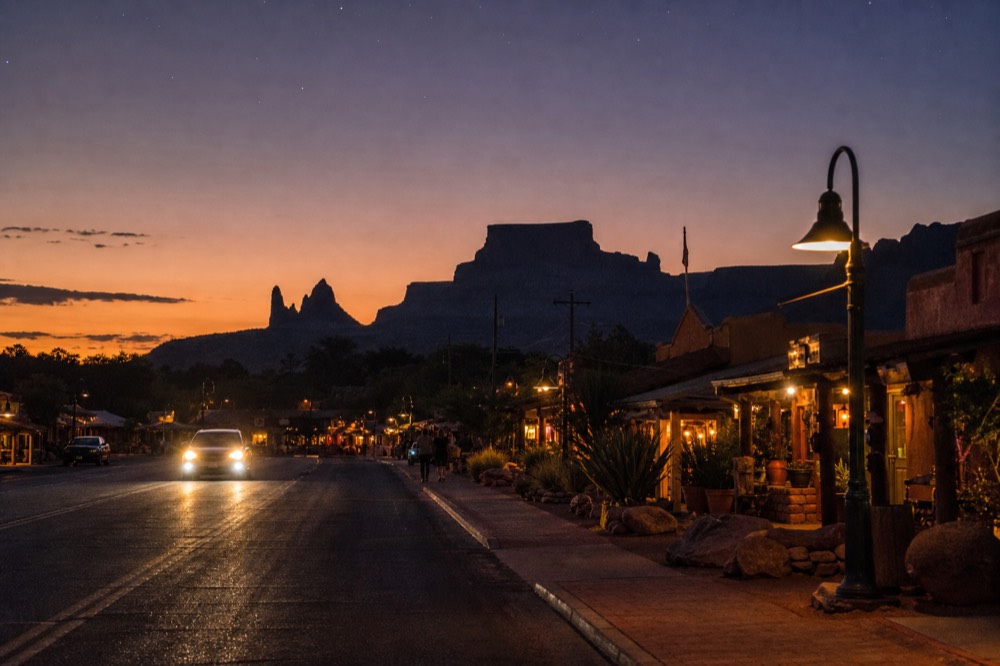
How is tasting in town different from tasting at the vineyard?
In town you taste a curated list from many producers, chosen for range. At a vineyard you taste one producer's full expression in the place it was grown, usually with the person who made it or someone who works the fruit. Breadth versus depth, and they answer different questions.
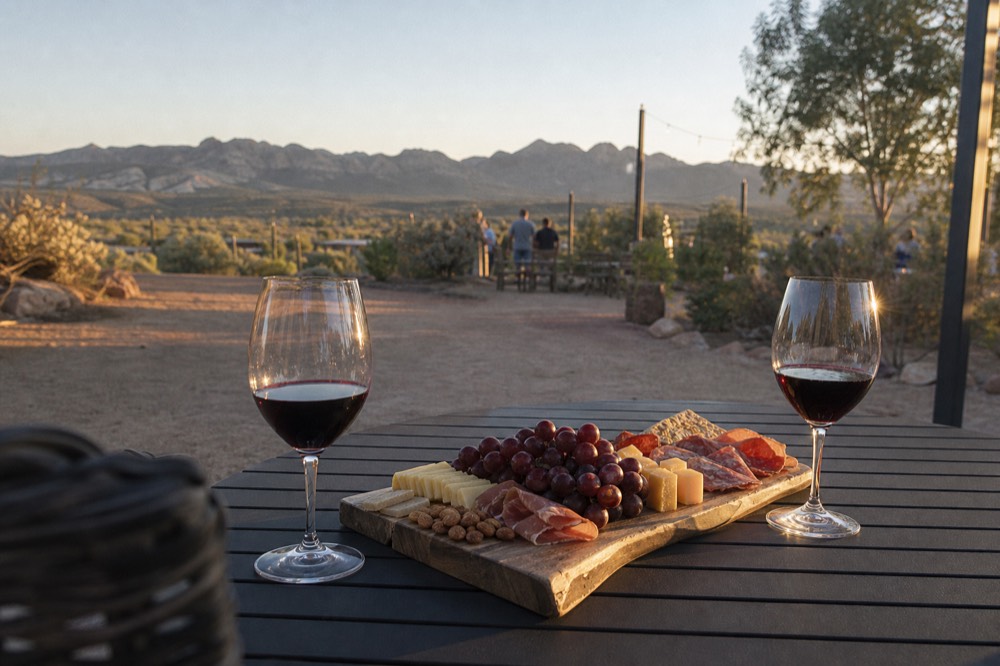
There is a sensory difference that no list can reproduce. At Page Springs the tasting room looks out over the vines on the creek bench, and in late October the leaves turn and the light comes in low and gold across them for about an hour before sunset. You can taste the same wine at a counter in Uptown and it is the same wine. It is not the same experience, and pretending otherwise would be dishonest.
There is also an information difference. Estate rooms will tell you things a retail counter cannot: which block that fruit came from, why this vintage is lower in alcohol than the last, what the summer monsoon did to harvest. The Verde Valley runs a 175 to 200 day growing season at elevation, with the swings that implies, and vintage variation here is real rather than decorative. That story only comes from the people who farmed it.
What the vineyard cannot give you is choice. One estate pours one estate. If you dislike the house style, your afternoon there is over. In town, you move to the next glass. For an undecided palate, the retail counter genuinely is the better tool, which is why I keep telling first-timers to taste in town on arrival night and book the valley for a day when they know what they are chasing.
Depth is where the estates pull ahead by a distance. The all-inclusive shared day pours five to six wines at each winery it visits, which is roughly double a standard flight, with every tasting fee and a made-to-order lunch folded into the $199 ticket, and you can check what it includes and when it runs if that pour count is what you are after.
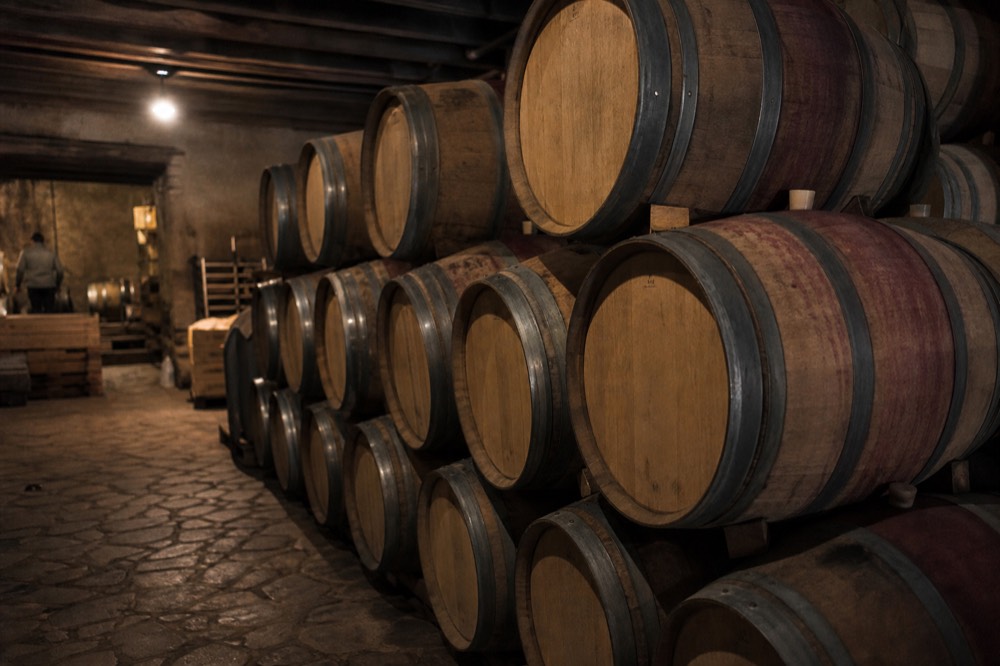
The third difference is time, and it is the one that decides most itineraries. An in-town flight is under an hour. A valley day is 3 to 7 hours plus transport. On a two-night Sedona trip that is a serious allocation, and the trade-offs are laid out properly in our breakdown of how many wineries fit into one day.
| In-town room | Vineyard tasting room | |
|---|---|---|
| Producers poured | Many | One, its own wine |
| Setting | Storefront or wine bar | Vines, barrels, working winery |
| Who pours | Retail staff | Estate staff, sometimes the winemaker |
| Flexibility | Change wine or leave anytime | Committed to the house style |
| Time cost | Under an hour | Half a day with transport |
| Best question it answers | "What do I like?" | "How is this actually made?" |
When is an in-town room the right call, and when does a tour beat it?
In-town wins on arrival evenings, on days too hot to be outside, when nobody wants to drive and no ride is available, and when you have under two hours. A valley tour wins whenever the point is seeing where wine is grown, and whenever your group's drinking makes driving a non-option for a full day.
Arrival night is the clearest case. You landed in Phoenix, drove roughly two hours up, checked in at five, and you are not organising anything more ambitious than dinner. An Uptown flight costs $15 and forty minutes and gives you your first honest read on Arizona wine. Nobody should book a six-hour tour for the day they arrive.
The heat argument is underrated. Verde Valley summers are hot, and a tour that has you crossing gravel car parks between estates at two in the afternoon in July is a different day from the same tour in October. An air-conditioned room in town at that hour is not a compromise, it is the correct decision. If you want the vineyards anyway, take the earliest departure available and treat the afternoon as indoor time.
Now the other side, honestly. If your reason for staying in town is only that the tours seem long, you are trading away the actual thing. The valley is 25 to 45 minutes away, not two hours, and the shorter shared runs exist precisely for people who do not want to give up a whole day. A three-hour express covers two vineyards. A limo-style bus covers four wineries with a picnic across six to seven hours at $109 per person, and if that is the shape of day you want, you can see its current departures and price and compare it against a night of $15 flights.
The other case where a tour wins outright is a group. Four people drinking in town means one of them is either not drinking or you are paying for rides all night. Four people on a shared run means everyone drinks and a professional drives. That is the whole product.
| Your situation | Better call | Why |
|---|---|---|
| Arrival evening, tired, no plan | In-town room | Under an hour, walk-in, no booking |
| July afternoon, 100 degrees plus | In-town room | Indoor, air-conditioned, no car park crossings |
| You want to see how it is made | Valley tour | Barrels, vines, estate staff |
| Group of four, everyone drinking | Valley tour | Nobody has to drive or skip pours |
| Under two hours free | In-town room | A valley day does not fit |
| Staying in the Village of Oak Creek | Either, but arrange the ride | No walkable route to Uptown |
| You already know Arizona wine and want depth | Valley tour or private | One estate, longer, better questions |
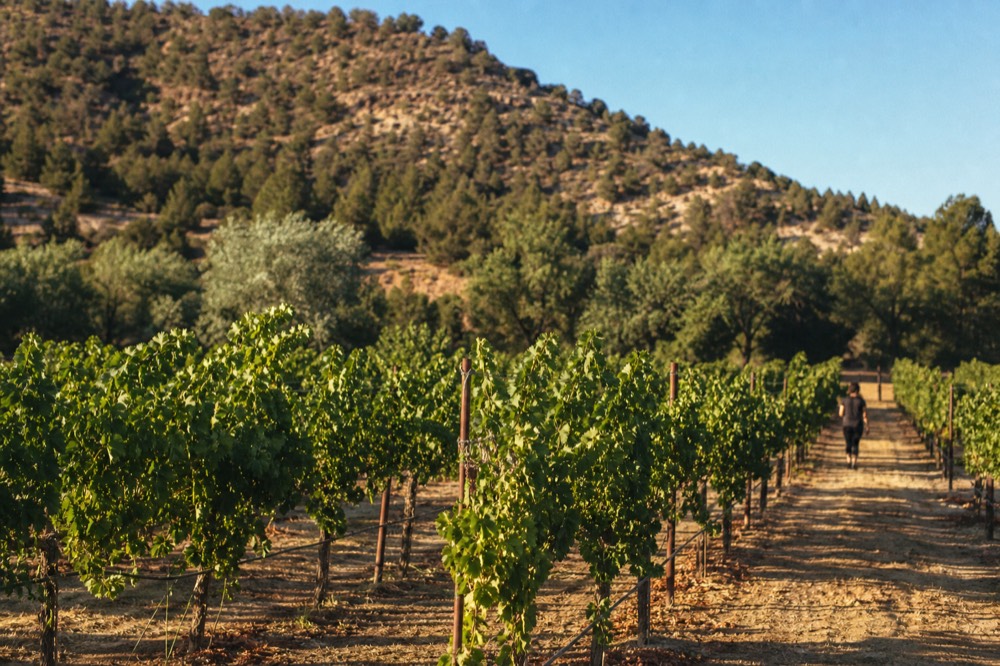
How do you fit both into a short Sedona trip?
Use the in-town rooms as bookends and the valley as the centrepiece. Taste in town on arrival evening to calibrate your palate, spend one full or half day in the Verde Valley on the wine you decided you liked, then buy bottles at an in-town shop on the last evening rather than carrying them all trip.
That sequence solves three problems at once. It gives you wine on night one without organising anything. It makes the valley day targeted instead of random, because you already know whether you are chasing Syrah or Malvasia. And it puts the bottle-buying at the end, in a shop with 600 labels, instead of in a car boot in 95 degree heat for two days.
For a two-night trip, the shape is tight but workable. Night one is Uptown, one or two flights, dinner. Day two is the valley, and this is where the choice of tour length matters more than the choice of wineries. A three-hour express leaves your afternoon intact for the red rocks. A six to seven hour day is the day. Night two is a bottle run and a last glass somewhere you liked.
For three nights, add the trail itself. The Verde Valley Wine Trail is the official route through the region's producers, with a passport app for mobile check-ins as you go, and the official map and stop list live at vvwinetrail.com. A self-drive trail day only works if someone genuinely commits to not drinking, and in my experience that person changes their mind at winery two, which is how designated-driver plans fail.
If the group cannot solve the driver problem, and most cannot, the private options are built for exactly this: door-to-door, your own stop list, your own pace. The current lineup and what each one includes sits on the private wine tour options page.
| Trip length | Night 1 | Day 2 | Day 3 | Last evening |
|---|---|---|---|---|
| Two nights | Uptown flights | Valley tour, 3h express or full day | n/a | Bottle shop, one last glass |
| Three nights | Uptown flights | Full valley day | Red rocks morning, Village or West Sedona evening | Bottle shop |
| Four nights | Uptown flights | Full valley day | Trail day or a private custom route | Bottle shop and dinner |
Before you lock a date, check what the season is doing to the valley. Harvest changes what is open, what is pouring and how busy the estates are, and the month-by-month picture is in our guide to the best time of year for Verde Valley tasting. If you have never done a tasting anywhere before, the plain-language walkthrough in what to expect at a winery will save you the two questions everyone is too embarrassed to ask.
What should you actually buy while you are in town?
Buy the wines you cannot get at home: small-production Verde Valley bottles from estates whose distribution never leaves Arizona. An in-town shop with 600 or more labels lets you take a spread of producers home, which no single estate room can do.
Verde Valley production is small. About 125 planted acres across the whole appellation is not a lot of fruit, and plenty of what gets made is sold at the cellar door and nowhere else. That scarcity is the argument for buying here rather than assuming you will find it later. You will not.
Lean into what the region actually does well rather than what you drink at home. Plantings here run to Rhône and Italian varieties: Syrah, Sangiovese, Barbera, Malvasia Bianca, with Cabernet, Chardonnay, Picpoul Blanc, Petite Sirah and Seyval Blanc also in the ground. A high-desert Syrah or a Malvasia Bianca is a more interesting souvenir than an Arizona Chardonnay, because the first two are the varieties this elevation and this growing season were suited to in the first place.
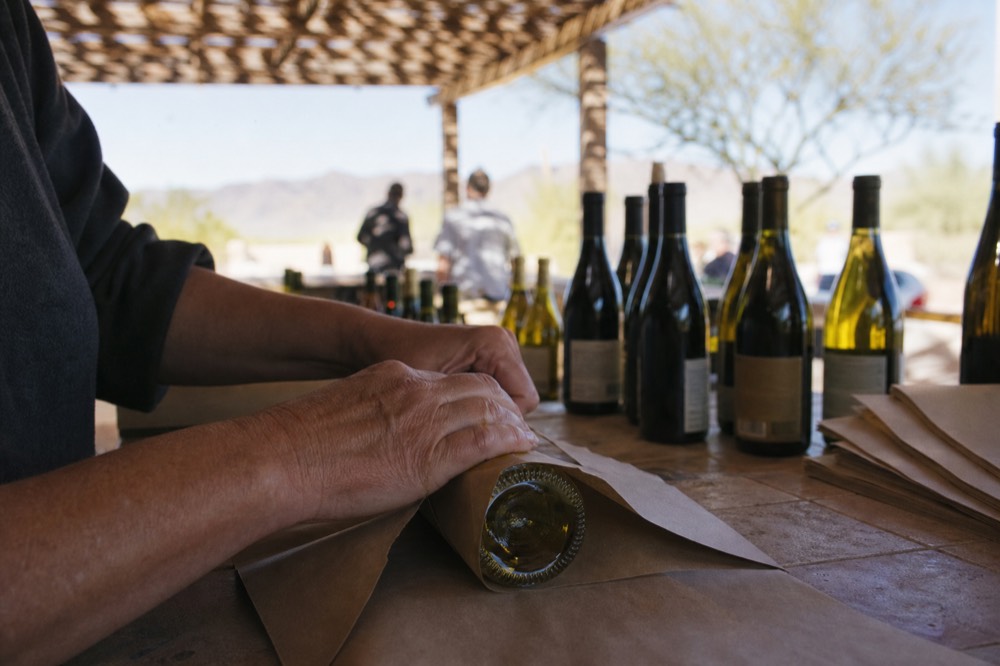
One practical caution about buying on a tour day. If you are on a shared vehicle, you are carrying whatever you buy for the rest of the route, and it sits in a vehicle for hours. Estates will pack it properly, but summer heat is not kind to wine in a car park. Buying your bottles on the last evening in town, from a shop, avoids the whole issue.
Ask staff what has just landed. Small producers release in tiny quantities and a good shop will know what arrived this month. That question, asked once at the counter, consistently gets a better bottle than reading shelf tags for twenty minutes.
Frequently asked questions
Are there any actual wineries inside Sedona city limits?
Not in the sense of a working winery with vines and tanks. Sedona has tasting rooms and wine bars that pour Arizona and imported wine. The 11 wineries and 24 vineyards of the region sit in the Verde Valley AVA, 20 to 40 minutes southwest, across Cottonwood, Cornville, Page Springs, Camp Verde, Clarkdale and Jerome. Rooms in town sometimes use the word winery loosely, so if it matters to you, ask where the fruit is crushed.
Do I need a reservation for Sedona's in-town tasting rooms?
Generally no. Art of Wine takes walk-ins and Vino di Sedona operates as a wine bar, so both work without booking. Weekend evenings and holiday weeks get busy, and live-music nights fill the West Sedona room, so a call ahead is sensible if you are a group of more than four; the current live-music picture runs through which rooms keep a calendar worth checking. Vineyard estates out in the valley are the opposite: many prefer or require booking, especially for tours.
How much does a wine flight cost in Sedona?
Flights start at $15 at Art of Wine in Uptown. Other rooms price by the flight and by the glass at the counter, and the current number is posted where you order. Two flights across two rooms puts a modest in-town evening at roughly $30 per person before food or extra glasses. Valley tours start at $79 per person and include transport, with some including all tasting fees.
Can I walk between the tasting rooms in Sedona?
Inside Uptown, yes. The rooms there are close enough together that a short walking crawl is comfortable. Between Uptown and West Sedona, no. Those are two separate clusters along 89A and the stretch between is not a walking route, especially after a few pours. The Village of Oak Creek is separate again. Pick one cluster per evening or arrange a ride.
Is it worth doing a valley tour if I have already tasted in town?
Usually yes, and the in-town tasting makes the tour better. You arrive knowing which varieties you want, which lets you pick a tour by its winery list rather than at random. The shared runs cover four wineries in a day; a three-hour express covers two if your schedule is tight. The full comparison of what each one visits is on the shared vineyard tour lineup.
What is the earliest I can start tasting in Sedona?
Most in-town rooms open around late morning, and Art of Wine's happy hour marks the 3 to 5 pm window rather than the opening. Valley tours generally run morning departures, which is the better choice in summer heat. Every tasting is 21 and over with ID at every room and every estate, without exception. Whether under-21 passengers can ride along on a tour is each operator's own policy and is stated on that tour's listing.