The Best Time for Sedona Wine Tasting: A 2026 Month by Month Read
Every month here pours the same wine and gives you a completely different day. The gap between an October Saturday and a January Tuesday is bigger than most visitors expect, in both directions.
 By Patricia Collins, Sedona wine tour specialist & Verde Valley experience guide
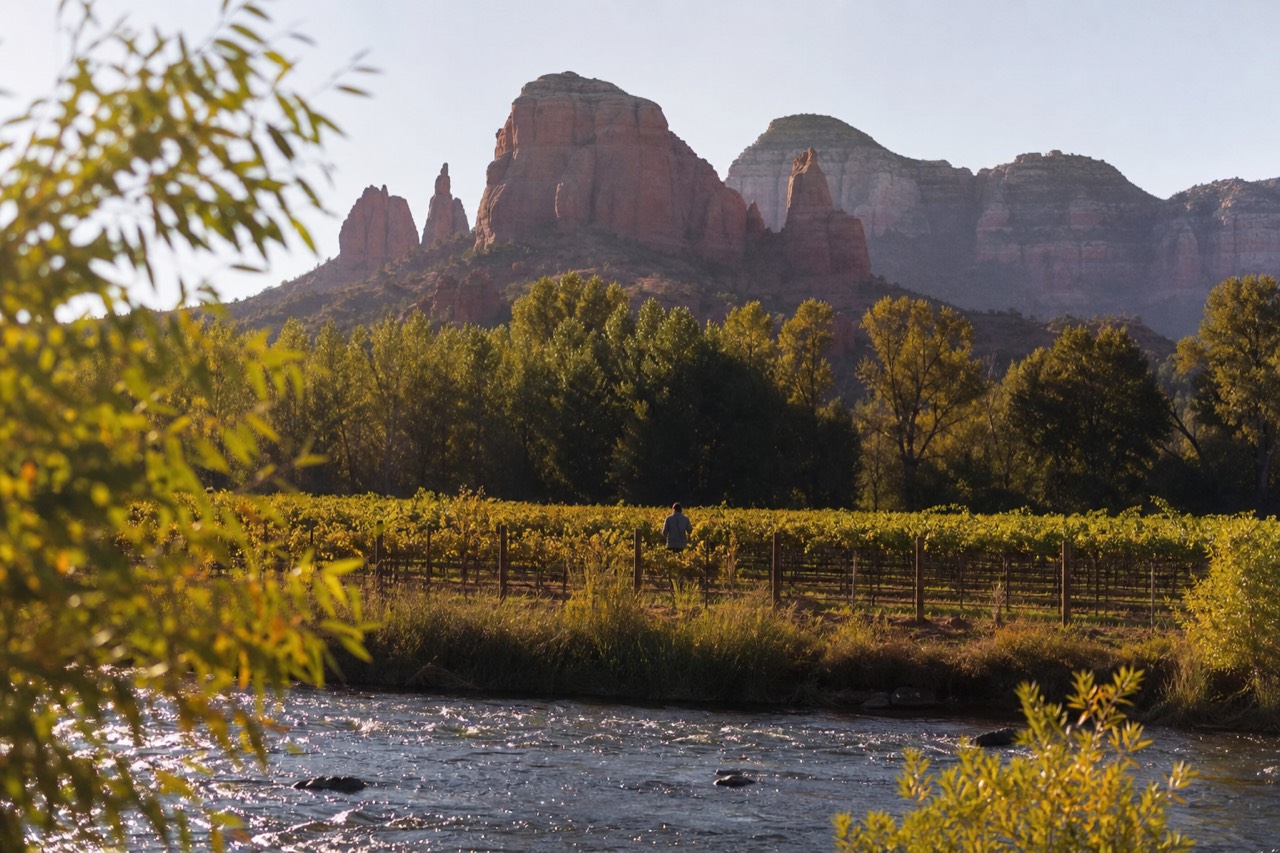
Short answer
Late September through October is the best window: harvest is running, the valley floor has cooled, and every tasting room is busy in a good way. April and May are the calmest with excellent weather. July and August bring heat plus afternoon monsoon storms. Winter is quiet, cheap and genuinely pleasant midday.
The first week of October, the crush pad smell reaches the parking lot before you do. Fermenting fruit, wet oak, a sourness that is not unpleasant, and the sound of a destemmer running somewhere behind the tasting room. Come back in January and the same property is silent, the vines are bare sticks, and you will have the terrace to yourself with a glass of the wine that was noisy fifteen months earlier.
Both are good days. They are not the same day, and picking between them is most of what timing means in the Verde Valley. This is the month-by-month version, with the heat gap between Sedona and the valley floor, what the monsoon actually does to an afternoon, the 2026 dates that pull crowds in, and which weeks fill before the others.
When is the best time of year for wine tasting near Sedona?
Late September through October, if you can only pick one window. Harvest is in progress, the valley floor has dropped out of triple digits, the vines still carry leaf colour, and the tasting rooms are lively without being unpleasant. April and May run a close second with better weather and thinner crowds.
The reason autumn wins is that everything happening in the valley is visible. Fruit is coming in, presses are running, cellar doors stand open, and staff who spend nine months explaining the same lineup suddenly have something new to talk about. Ask a pourer in October what came off the block that morning and you will get a real answer. Ask in February and you will get the tasting notes on the card.
Spring is the underrated one. Bud break through May gives you green rows, mild afternoons on the valley floor, and rooms that are not fighting for space. The wine is identical. What you lose is atmosphere; what you gain is the ability to sit somewhere for an hour without waiting for a table. If you dislike crowds more than you like harvest theatre, come in April.
Summer is the one to think hardest about, and winter is far better than its reputation. Both are covered below in their own sections, because both have real arguments in their favour that the standard advice ignores. The region's growing season runs roughly 175 to 200 days, which is the frame everything else hangs on: bud break in spring, a hot summer of hang time, and picking that starts in late summer and runs into autumn.
| Season | Crowd level | In the vineyard | What the day feels like | Verdict |
|---|---|---|---|---|
| Spring, March to May | Moderate | Bud break, shoots, early canopy | Mild on the valley floor, cool mornings in Sedona | Best weather, easiest bookings |
| Early summer, June | Moderate | Flowering into fruit set | Hot by noon, dry heat, long evenings | Fine with an early start |
| Monsoon summer, July to August | Lower | Veraison, fruit colouring | Hot mornings, dramatic afternoon storms | Cheapest, most weather risk |
| Harvest, late August to October | Highest | Picking, crush, fermentation | Warm days, cool evenings, busy rooms | The window most people want |
| Late autumn, November | Moderate | Leaf fall, post-harvest cleanup | Crisp, short daylight, quiet roads | Underrated, very comfortable |
| Winter, December to February | Lowest | Dormancy, pruning | Cold mornings, pleasant midday sun | Quietest rooms, best access to staff |
What is harvest season actually like, and when does it run?
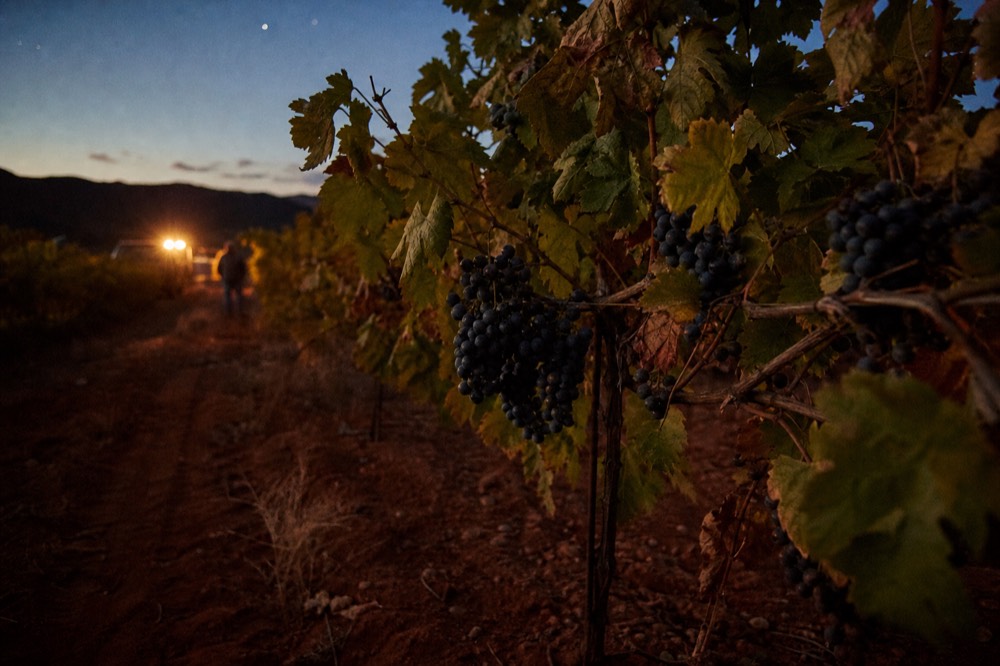
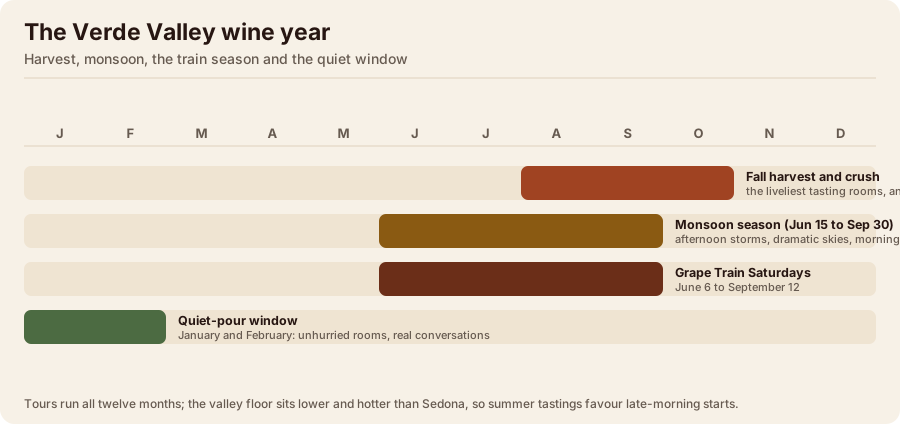
Harvest in the Verde Valley runs roughly August through October depending on the block and the variety, and it is the busiest, liveliest stretch of the year. Expect working equipment, real cellar smells, staff who are short on sleep, and tasting rooms fuller on weekends than at any other point on the calendar.
The valley picks earlier than most Americans expect because it is high desert, hot and sunny with a long dry run through late summer. Whites and early-ripening reds tend to come in first, with the Italian and Rhône plantings the region leans on, Syrah, Sangiovese, Barbera, Malvasia Bianca, staggering through the following weeks. There is no single harvest day and no fixed schedule you can book against. What there is, from late August onward, is a very high chance that something is being processed while you are standing there.
A detail that catches people out: harvest weather is not autumn weather, at least not at first. Late August and early September on the valley floor are still hot, and the cooling arrives in the evenings well before it arrives at midday. Groups who booked October in their heads and September on the calendar frequently show up in linen and spend the first two stops looking for shade. The temperature genuinely turns during the second half of September, and by the middle of October the terraces are the best seats in the region rather than the ones nobody wants.
That has one practical consequence people rarely warn about: harvest is the season when the winery is busy doing its actual job. Some rooms shorten their tour offerings, some cellar areas close to visitors for safety reasons, and the person who normally walks you through the vineyard is on the sorting table instead. You get atmosphere and you lose a little polish. Most visitors consider that a fair trade.
Booking behaviour shifts hard in this window. Weekend seats on the shared runs go first, private vehicles go next, and the smaller-capacity formats disappear earliest simply because there are fewer seats to sell. If your dates are locked in October, book the tour before the hotel, which is the reverse of how most people plan. The four-winery limo-style day covers Javelina Leap, Oak Creek Vineyards, Alcantara and Cove Mesa with a charcuterie picnic between pours, and you can check which autumn dates are still open before you commit to anything else.
How does the monsoon affect a Verde Valley wine day?
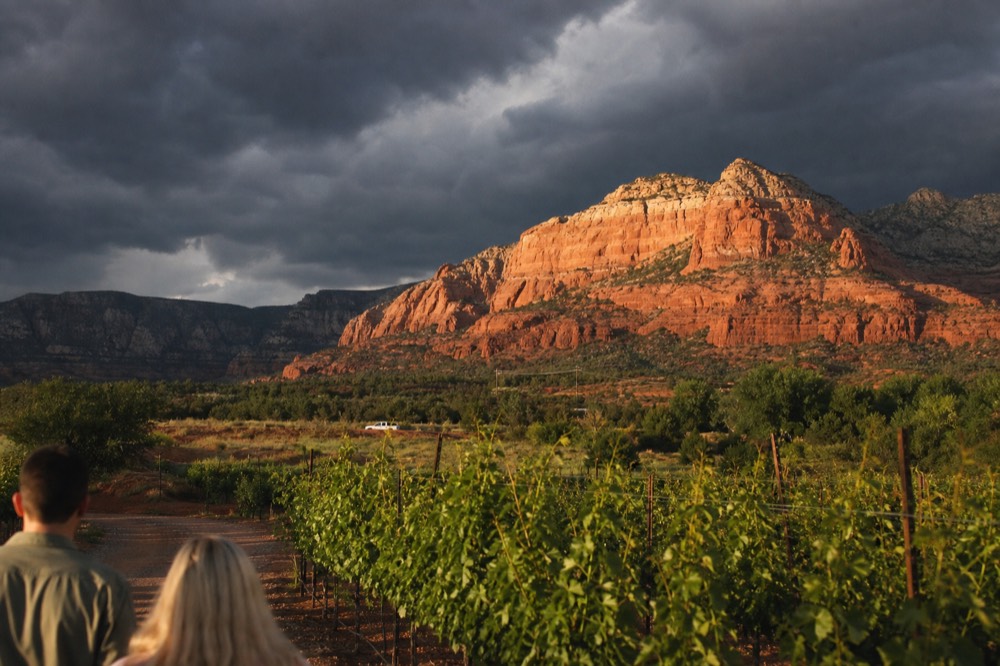
Storms build through July and August into September, usually in the afternoon rather than the morning. They arrive fast, drop hard, and often clear within an hour. Outdoor terraces close briefly, dirt access roads get slick, and the temperature drops sharply. A monsoon afternoon rarely ruins a tour, but it reliably moves it indoors.
The pattern is remarkably consistent: clear mornings, cloud building over the rims by early afternoon, then a short violent cell that passes through. This is why every experienced local schedules the outdoor half of any day before one o'clock. On a tasting day that is easy, because rooms open around eleven and the first two hours are the best two hours anyway.
What genuinely matters is not rain on the terrace, it is water on the road. The valley has washes that run when it storms and creek-side lanes that get greasy in minutes. Guided operators know exactly which approaches to avoid and simply reroute. Self-drivers in a rental car, on an unfamiliar dirt road, in a downpour, are the people who end up with a problem. If you are visiting in the monsoon and want to self-drive, stay on the paved corridors and skip anything requiring a dirt approach when the sky looks like that.
The compensation is real. Monsoon light on wet red rock is the best light the region produces, the temperature can drop twenty degrees in an hour, and July and August are the cheapest, least crowded weeks of the warm half of the year. For a three-hour express format that gets you in and out before the sky opens, the shortest option covers two vineyards with a charcuterie board and you can see the morning departure options if that timing suits your trip.
Why is the valley floor hotter than Sedona, and does it matter?
Cottonwood, Page Springs, Cornville and Camp Verde sit lower than Sedona, and the temperature difference is obvious the moment you step out of the car. The wine grows down there because it is hotter. On a summer afternoon you feel that as a genuinely different climate, not a rounding error.
This is the single most common planning mistake visitors make. They check the Sedona forecast, dress for Sedona, and then spend the afternoon on the valley floor where it is meaningfully warmer, drier and more exposed. In July that is the difference between comfortable and miserable. In January it is the difference between cold and merely brisk, which works in your favour.
The elevation gap is also why the grapes are down there in the first place. Sedona has tasting rooms and almost no vineyards; the fruit is 20 to 40 minutes southwest in the Verde Valley AVA, established by the federal government on November 9, 2021 as Arizona's third appellation. Roughly 200 square miles, about 125 planted acres, 24 vineyards, 11 wineries and 25 tasting rooms spread across Cottonwood, Cornville, Page Springs, Camp Verde, Clarkdale and Jerome. That warmth on the valley floor is the whole reason Syrah and Barbera work here.
Practically: dress for the valley, not for town, and bring a layer for the return. Sedona cools faster in the evening than the floor does, so a summer day that ended warm at a Cornville terrace can feel cold by the time you are back on SR 89A with the windows down. Shaded creek-side rooms like the Page Springs corridor run cooler than the open valley floor properties, which is a real consideration in August and irrelevant in November.
| Sedona (Uptown and the Village) | Valley floor (Cottonwood, Cornville, Camp Verde) | |
|---|---|---|
| Relative elevation | Higher | Noticeably lower |
| Summer afternoons | Hot, slightly less so | Hotter, more exposed |
| Winter mornings | Colder, frost on shaded ground | Milder by midday |
| What is there | Tasting rooms, no real vineyards | 24 vineyards, 11 wineries, 25 tasting rooms |
| Shade available | Limited, mostly built | Creek corridors at Page Springs are genuinely shaded |
| Dress for | The morning, layered | The afternoon, lighter than you think |
What is winter tasting in the Verde Valley really like?
Quiet, cheap and better than its reputation. Vines are dormant and pruning crews are out, rooms are calm enough that staff will talk properly, and midday sun on a sheltered terrace is pleasant. Mornings are cold and daylight is short, so a winter tasting day should start later and finish earlier.
January and February deliver something the rest of the year cannot: access. How long to stay is its own question, answered in the how-many-days breakdown. The person pouring has time. Ask a real question in a February tasting room and you will get a fifteen minute answer, sometimes a walk out to the block, occasionally a barrel sample nobody was going to offer on a busy October Saturday. Visitors who care about the wine rather than the scene should seriously consider coming then.
The trade-offs are honest ones. Some rooms trim their winter hours, a handful of the smaller producers close a day or two midweek, and outdoor seating is only usable in the middle of the day. Daylight matters more than temperature: sunset comes early, and a tour that starts at eleven and runs six hours finishes near dusk, which changes the feel of the drive back up the switchbacks.
What does not change is the wine or the price of the tour. The same shared runs operate, the same wineries pour, and pickup still comes to your Sedona lodging. If anything, winter is when the higher-touch formats make the most sense: fewer people on board, more attention, no queue at the bar. The all-inclusive option covers tasting fees and a made-to-order lunch across Page Springs Cellars and Javelina Leap, and you can see how the winter dates are priced against the summer ones.
What fixed 2026 dates should you plan around?
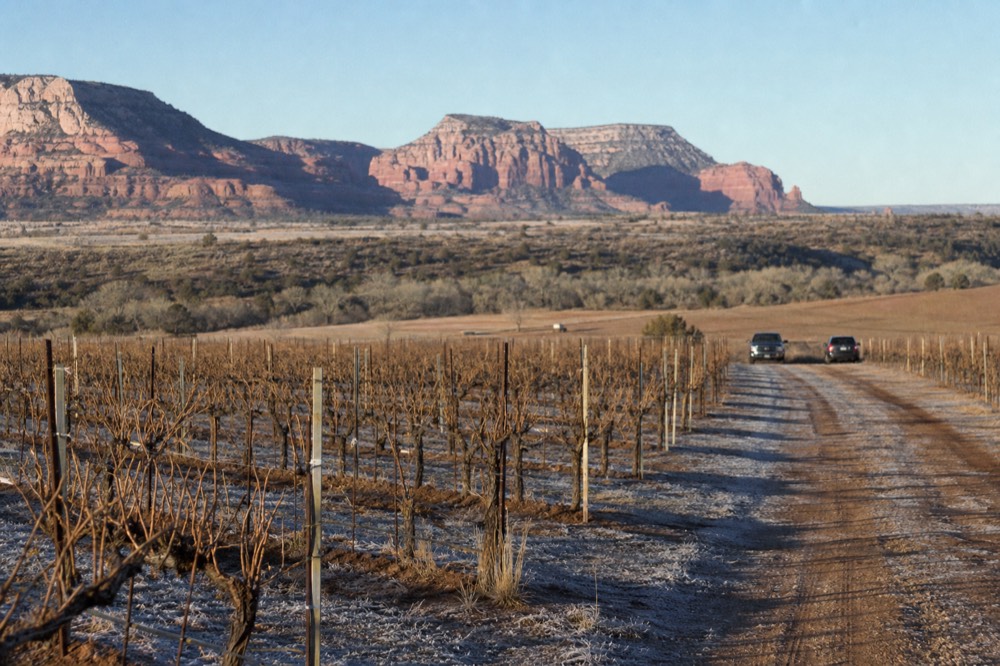
Two anchors matter. The Verde Valley Wine Festival runs at Riverfront Park in Cottonwood, with the 2026 edition, the 8th annual, held Saturday May 9 from 11 AM to 6 PM with more than 20 wineries pouring. The Grape Train Escape runs Saturday nights from June 6 through September 12, 2026.
The festival is the region's single biggest wine day and it is worth building a trip around if your dates are flexible. It takes over Riverfront Park at 1284 E River Front Rd in Cottonwood, co-sponsored by the Verde Valley Wine Consortium and the City of Cottonwood, and it pulls beer, spirits, food vendors, artisans and live music in alongside the wineries. Details for each year's edition go up on the festival's own site. Book lodging early for that weekend; Cottonwood is a small town and it fills.
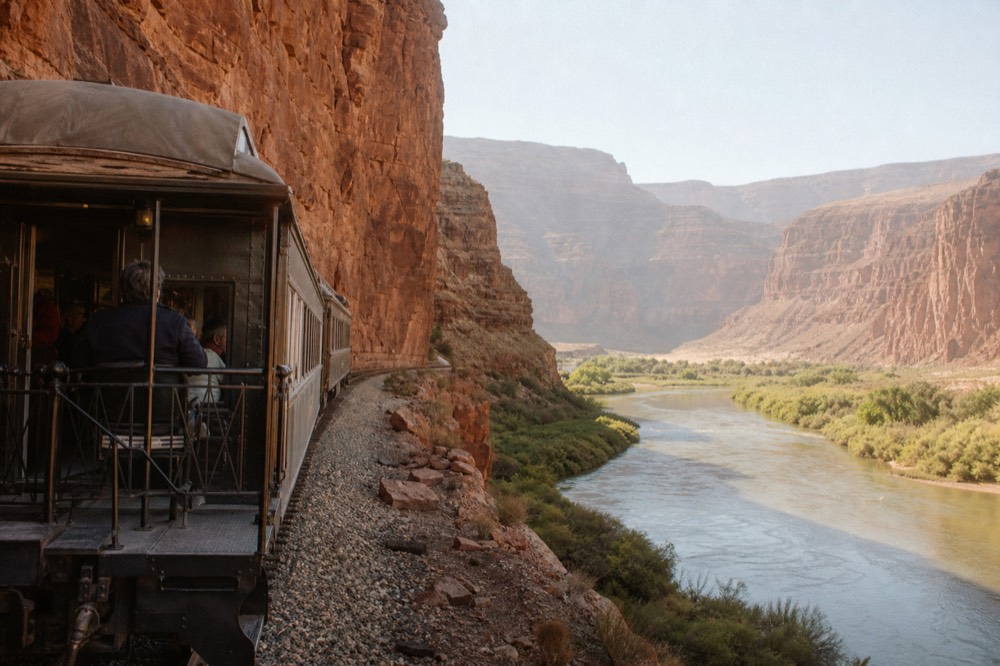
The Grape Train Escape is the other fixed-date item, and it is unusual enough to be worth planning for. It runs first-class cars out of the Clarkdale depot on Saturday evenings across the summer season: in 2026 those were June 6, 13, 20 and 27, July 4, 11, 18 and 25, August 1, 8, 15, 22 and 29, then September 5 and 12 to close the season. Four hours, ages 21 and over, Southwest wines paired with cheeses and winemaker commentary. The railroad publishes its own schedule and rates, and the train itself operates year-round with most daytime departures at 1:00 PM.
One current perk that is easy to miss: military members and veterans get 50% off daytime train tickets for the whole of August 2026. That does not apply to the evening wine service, but it makes the daytime canyon run a genuinely cheap add-on for anyone eligible. The full picture of that day, including how the tour package compares against buying direct, sits in the railroad and Grape Train breakdown.
| 2026 fixed date | What it is | Where | Notes |
|---|---|---|---|
| Saturday May 9, 11 AM to 6 PM | Verde Valley Wine Festival, 8th annual | Riverfront Park, 1284 E River Front Rd, Cottonwood | 20+ wineries, plus beer, spirits, food, artisans, music |
| Saturdays June 6 to September 12 | Grape Train Escape evening service | Clarkdale depot | 15 dates across the season, 21+, 4 hours |
| All of August 2026 | 50% off daytime train tickets | Clarkdale depot | Military members and veterans, daytime service only |
| Year-round, most days 1:00 PM | Standard Verde Canyon daytime departure | Clarkdale depot | Runs when the evening wine service does not |
| Late August to October | Harvest and crush across the AVA | Valley-wide | No fixed dates, varies by block and variety |
What does the Grape Train cost, and is the tour package worth it?
The railroad's own 2026 rate for the Grape Train Escape is $175 per person, with first-class seats ranging $139 to $175 depending on date and season. The packaged tour version starts at $202 per person and holds 4.6 across 37 reviews. The gap buys you the booking handled and, on most dates, the logistics around it.
This is the kind of comparison a tour-recommendation site usually avoids printing. It is worth printing. If you are already staying in Cottonwood or Clarkdale, have a car and a designated driver, and simply want seats on the train, going direct to the railroad is cheaper and there is no reason to pretend otherwise. The depot is right there.
If you are staying in Sedona, the calculation flips. Clarkdale is about 40 minutes each way, the service is an evening one, and the return drive after four hours of paired pours is precisely the drive nobody should be making. At that point the packaged version stops being a markup and starts being the only sensible way to do it. Read what each listing includes before comparing the headline numbers, because inclusions differ.
The train is also the best weather hedge in the region. It runs in rain, it runs in heat, it runs in January, and the canyon it enters cannot be reached by road at all. On a monsoon afternoon when your terrace plans have collapsed, an enclosed first-class car with a wine flight is not a consolation prize.
| Route to the Grape Train | Price point | Season | Who it suits |
|---|---|---|---|
| Direct with the railroad, evening service | $175 per person, ages 21+ | 15 Saturdays, June 6 to September 12, 2026 | Guests already staying in Cottonwood or Clarkdale with a driver |
| Direct, first-class seat by date | $139 to $175 depending on date and season | Varies across the published schedule | Flexible dates, price-sensitive bookers |
| Packaged tour version | From $202 per person, 4.6 across 37 reviews | Matches the evening service dates | Sedona-based guests who should not drive back |
| Daytime canyon service | Standard fare, most departures 1:00 PM | Year-round | Anyone visiting outside the evening wine season |
| Daytime service, military and veterans | 50% off | All of August 2026 | Eligible travellers, daytime tickets only |
Which weeks and which tours book out first?
Weekends from mid September through October go first, then the weekend either side of the May festival, then any Saturday with a Grape Train departure. Among tour formats, the small-capacity ones sell out earliest: private vehicles cap at six, and the express and boutique runs carry far fewer seats than the limo-style bus.
Capacity, not popularity, is what decides availability. A limo-style bus running up to four wineries can absorb a large weekend party. A private SUV holding six cannot, and a sit-down lunch format is limited by the table as much as by the vehicle. That is why the highest-rated products often show as unavailable while a well-reviewed shared run still has seats on the same date.
The second driver is refund policy, which shapes behaviour more than most travellers realise. Almost every tour in this region cancels free, usually up to 24 hours out, so people book speculatively and release late. That means two things: book early without much risk, and check again 48 hours out for a date that looked full, because it often is not any more. The single exception is one private elite option that is non-refundable, and on that one the usual speculative-booking logic does not apply at all.
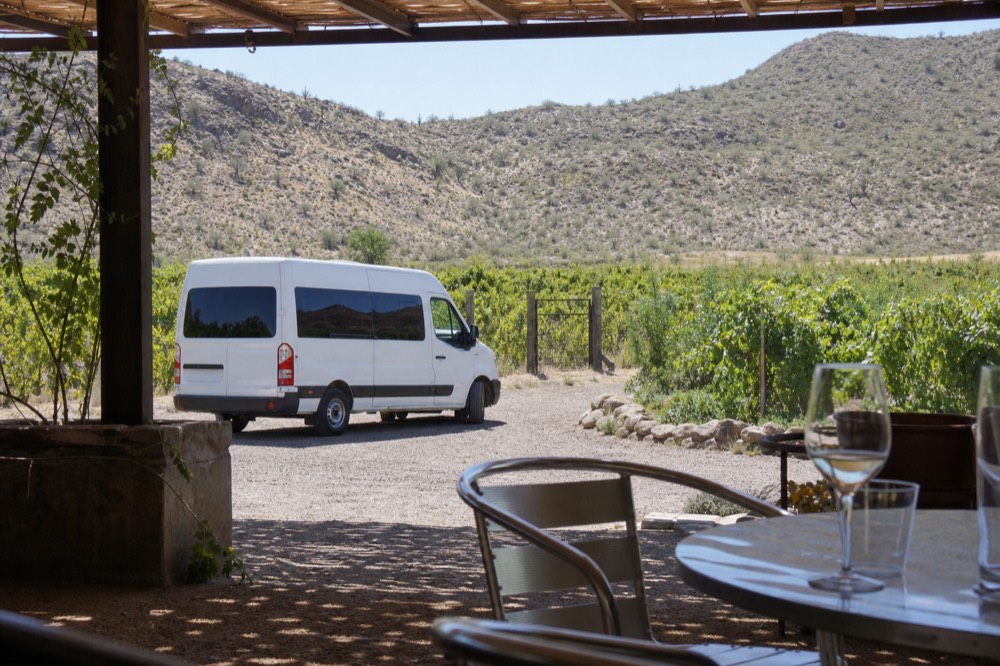
Pickup logistics quietly shape availability too. Some departures collect from Sedona lodging door to door, others meet at a fixed point such as Clark's Market or along the SR-89A and 179 corridor, and a couple start away from Sedona entirely at the winery or the depot. In a busy October week the door-to-door seats go first because they are worth the most to a visitor without a car, and the meeting-point departures often still have space on a date that looks sold out. Read the starting point on the listing before you decide a weekend is closed.
Across the region there are 12 bookable tours carrying 2,424 traveller reviews between them, from $79 per person up to $472 for a private group vehicle. The lineup of shared departures is laid out on the vineyard tour comparison, and the door-to-door options live on the private wine tour page.
| Format | Capacity pressure | Typical first to fill | Free cancellation |
|---|---|---|---|
| Limo-style bus, 4 wineries | Highest capacity, most resilient | October Saturdays | Yes, usually to 24 hours |
| Small-group Sprinter with lunch | Limited by the table as well as the van | Harvest weekends, festival weekend | Yes, usually to 24 hours |
| All-inclusive shared, fees and lunch covered | Mid capacity, high demand | Autumn midweek fills unusually early | Yes, usually to 24 hours |
| 3-hour express, 2 vineyards | Small, frequent departures | Monsoon-season mornings | Yes, usually to 24 hours |
| Private SUV or private custom | Caps at six, sells out first | Any weekend, year-round | Yes, usually to 24 hours |
| Private elite, full hour per winery | Smallest, and non-refundable | Books earliest of all | No, non-refundable |
| Evening train service | Fixed seasonal dates only | The 15 Saturday dates, once announced | Check the specific listing |
How does the 2026 road work change your timing?
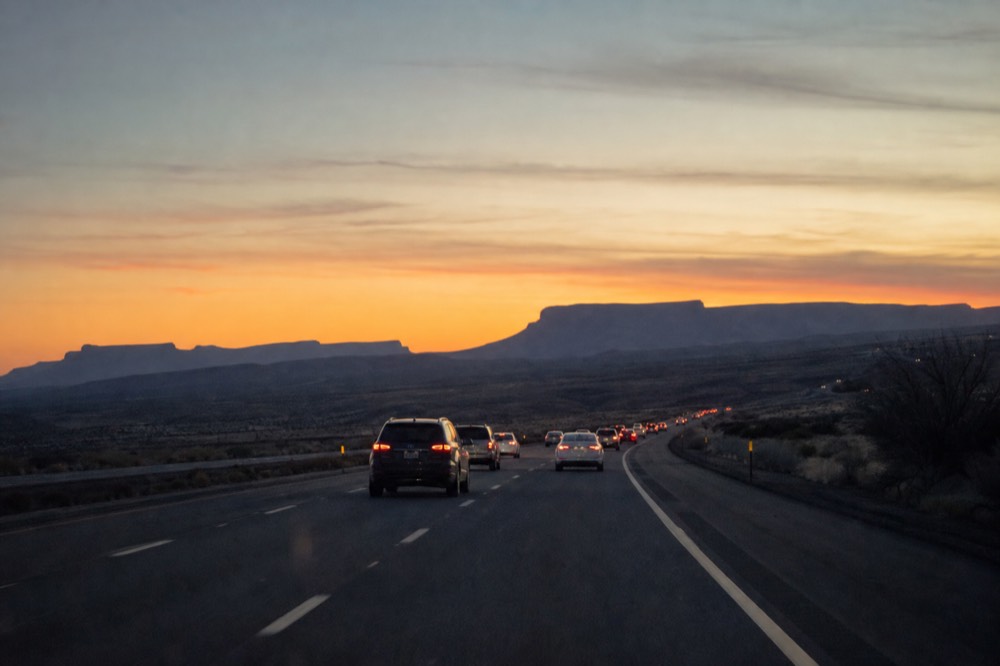
Southbound I-17 has run one lane 24/7 at milepost 299, the Sedona turnoff, since April 26, 2026, for bridge deck work over SR 179. Overnight lane closures for paving began June 5, 2026 on a ten-mile stretch north of the Sunset Point Rest Area. Both add peak-time delay on the Phoenix run.
If you are coming up from Phoenix or Scottsdale for the day, the drive is normally about two hours. Through 2026 you should treat that as a floor rather than an estimate, particularly on Sunday afternoons when the entire Valley of the Sun drives home at once. The bridge work sits exactly at the point where Sedona traffic peels off the interstate, which is the worst possible place for a lane drop. ADOT's I-17 project updates carry the current status.
What this means for a wine day is simple: give yourself an extra hour on the outbound and do not schedule a tasting that starts within ninety minutes of your estimated arrival. Better, do not drive it at all on a day you plan to drink. There is a full-day option from Phoenix that includes a Page Springs tasting and a Montezuma stop, a new listing without reviews yet, and the listing shows the current $450 fare and dates if handing over the driving appeals more than the interstate does.
Once you are in Sedona, none of this matters. The valley runs are short: 25 to 35 minutes to the Page Springs and Cornville cluster, about 30 to Old Town Cottonwood, roughly 35 to Alcantara at Camp Verde, about 40 to the Clarkdale depot and 45 up to Jerome. Feeder-route planning in detail sits in the from-Phoenix and Scottsdale guide.
What does the month-by-month scorecard look like?
January and February are the quietest and most personal. March through May give the best weather with easy booking. June through August trade heat and storms for low prices. Late August through October is harvest and the busiest stretch. November and December are the calm, comfortable secret.
The table below is the version I would give someone on the phone. It scores crowd level, what is happening in the vineyard, the weather pattern to expect and how hard the tours are to book, because those four things together decide whether a given week suits you more than any single average temperature ever could.
Two rows deserve a flag. August is genuinely split: the first half is peak heat and monsoon risk, and the back half starts to bring harvest energy, which makes late August one of the better value windows on the calendar. And November, which almost nobody books, is close to ideal on everything except daylight hours.
Read it against your own tolerances rather than looking for a single winner. Somebody who hates crowds and loves talking to winemakers should book February and will have a better trip than they would in October. Somebody who wants the crush pad running should accept the Saturday queue.
| Month | Crowds | In the vineyard | Weather pattern | Booking pressure |
|---|---|---|---|---|
| January | Lowest | Dormant, pruning underway | Cold mornings, pleasant midday sun | Easy, book close in |
| February | Low | Pruning, early soil work | Cool, clear, occasional cold snap | Easy |
| March | Rising | Ground warming, early bud swell | Mild, breezy, excellent hiking | Moderate, spring break weeks tighten |
| April | Moderate | Bud break, first shoots | Best all-round weather of the year | Moderate |
| May | Moderate to high | Canopy filling, flowering | Warm days, cool evenings | High around the festival weekend |
| June | Moderate | Fruit set, rapid growth | Hot and dry, long daylight | Moderate, evening train season opens |
| July | Lower | Veraison beginning | Hot mornings, monsoon afternoons | Easiest of the warm months |
| August | Mixed | Veraison into first picks | Storms early in the month, harvest energy late | Rising through the month |
| September | High | Harvest in full swing | Warm days, cooling nights | High, weekends go first |
| October | Highest | Harvest and crush, leaf colour | The best month for weather plus atmosphere | Highest of the year, book well ahead |
| November | Moderate | Leaf fall, cellar work | Crisp, clear, short daylight | Easy, and badly underrated |
| December | Low | Dormancy begins | Cold mornings, quiet roads | Easy outside the holiday week |
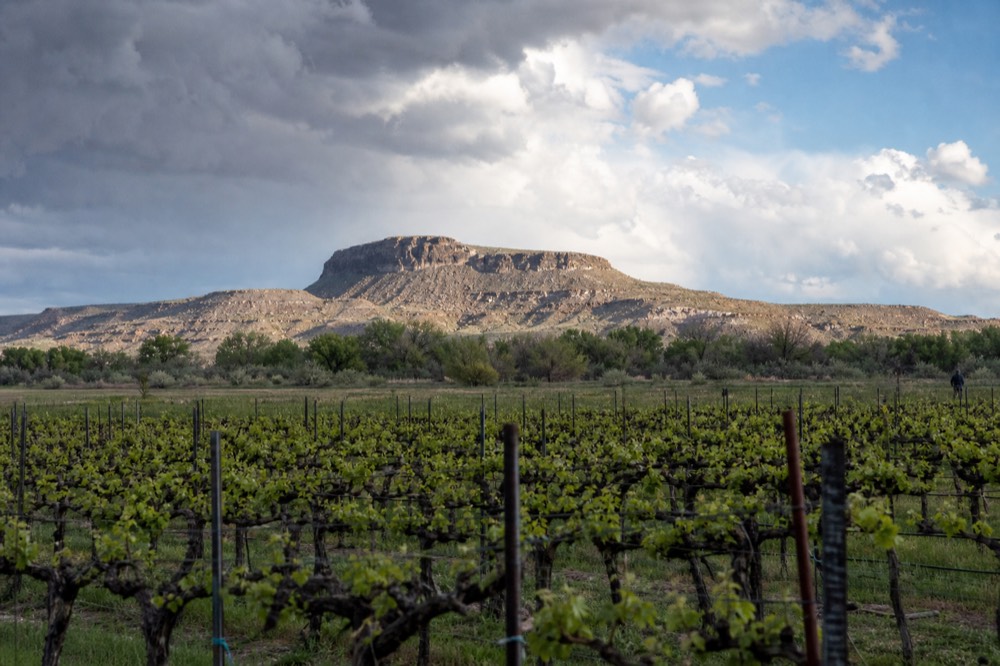
How do you actually pick your week?
Start from what you want to see rather than from the weather. Harvest means late September or October. Best conditions with room to breathe means April or November. Lowest price and thinnest crowds means July or January. Then check the fixed 2026 dates and adjust by a weekend if one of them lands nearby.
The sequence matters. Most visitors pick dates first, then discover afterward that they landed in the one week the tasting rooms are chaotic or the one week half of them shorten hours. Reverse it. The valley's calendar is not complicated: a festival in May, a summer of Saturday evening trains, a harvest from late August into October, and a quiet dormant winter. Everything else is weather.
Then match the format to the season. Hot months reward short formats and early starts. Harvest rewards the longer four-winery days when there is genuinely more to see. Winter rewards small-group and private formats, because the value of a quiet room with an attentive pourer is highest exactly when nobody else is there. The adventure formats, the kayak day and the train, are their own seasonal question and both are covered separately.
One last thing worth saying plainly, because it saves people from disappointment: no month here produces a bad glass. The difference between visiting in February and visiting in October is atmosphere, crowd and access, not quality. If your dates are fixed, stop optimising and book the format that suits the weather you are going to get. If you want a red rock morning attached to the front of your tasting day, the vortex and vineyard pairing explains how those two halves fit together, and the official Verde Valley Wine Trail passport route is how to string more rooms together across several days.
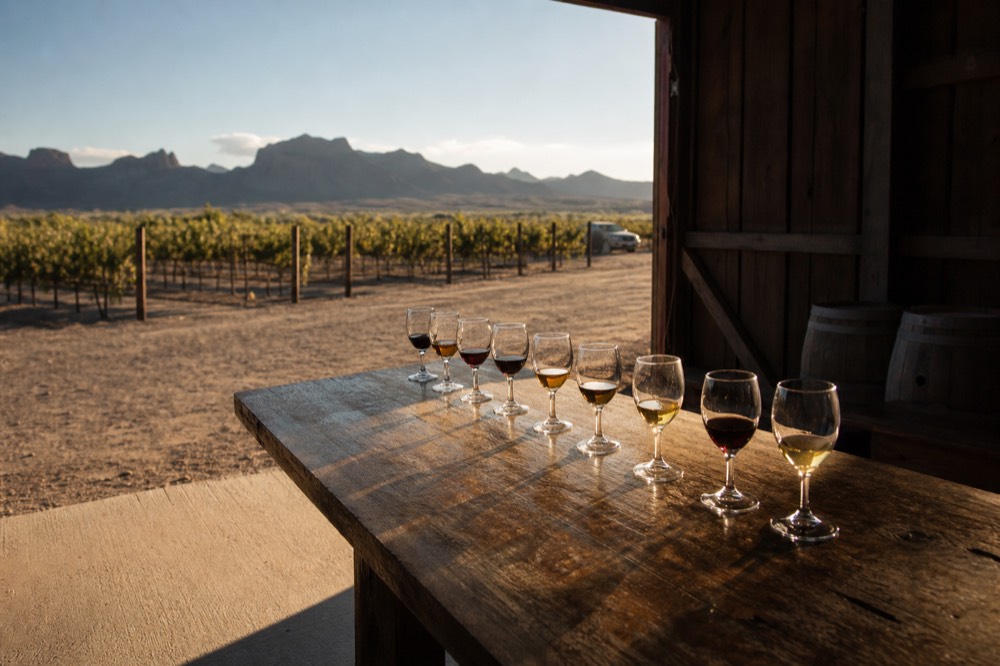
Frequently asked questions
What is the single best month for Verde Valley wine tasting?
October, for most people. Harvest is running, the valley floor has cooled off, leaf colour is up, and every room has something to talk about. The cost is that it is the busiest month of the year and October Saturdays sell out earliest, so book the tour before you book anything else.
Is it too hot to visit wineries in July and August?
Not if you start early. Rooms open around eleven and the first two hours are the good ones, with storms typically building later in the afternoon. The valley floor runs hotter than Sedona itself, so dress for Cottonwood rather than for town, drink more water than feels necessary, and favour a shorter format over a six-hour day.
Do wineries close in winter?
Most stay open with trimmed hours, and a few of the smaller producers close a midweek day or two. Alcantara's tasting room and restaurant, for example, run daily from 11:00 to 5:00 and close only for Thanksgiving and Christmas. Check individual rooms if you are building a self-drive route in January, or take a guided run where the schedule is already handled.
When is the Verde Valley Wine Festival?
It runs at Riverfront Park in Cottonwood, with the 2026 edition held Saturday May 9 from 11 AM to 6 PM. More than 20 wineries pour alongside beer, spirits, food vendors, artisans and live music, and the event is co-sponsored by the Verde Valley Wine Consortium and the City of Cottonwood. That weekend books out across Cottonwood lodging, so plan it early.
How far ahead should I book a tour?
Four to six weeks for an October weekend, two to three weeks for most other dates, and further out for anything private since those vehicles cap at six people. Almost everything cancels free up to about 24 hours out, so booking early carries little risk. Re-check a full date 48 hours before, because speculative bookings get released late.
Does harvest mean I can watch grapes being picked?
Sometimes, and never on a guaranteed schedule. Picking happens block by block, often at dawn, and no operator can promise you will see it. What you can count on from late August into October is the crush pad running, fermentation smells in the air, and staff who are actively making wine rather than only describing it.
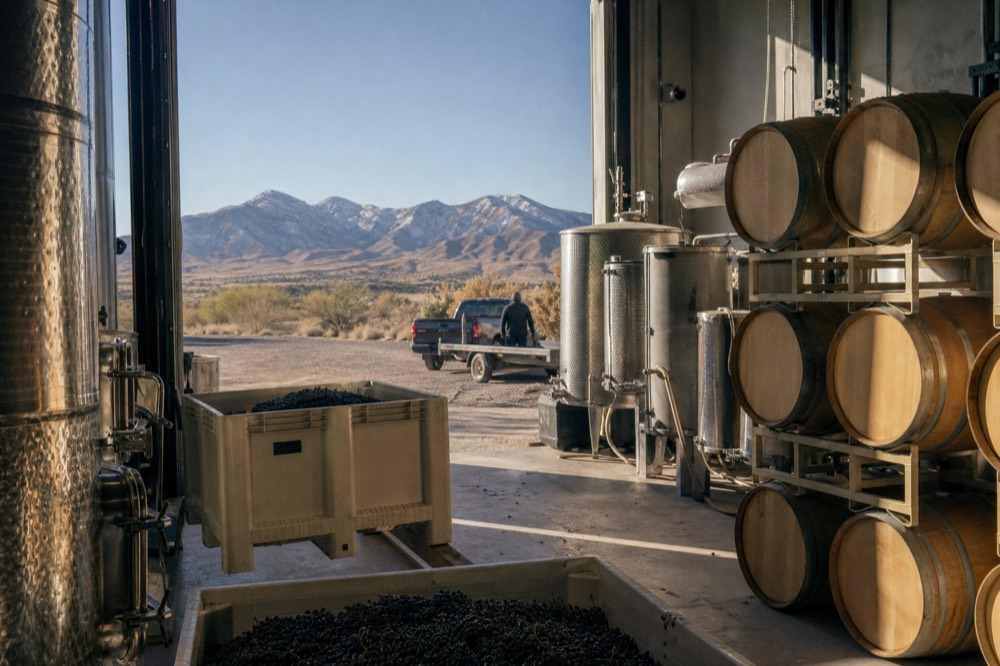
If you take one thing from all of this: the calendar changes the experience, not the wine. Pick the atmosphere you want, book the format that fits that season, and let the rest go. Every option is laid out across the shared vineyard lineup and the creek-road cluster at Page Springs, and both read differently in October than they do in February, which is exactly the point.