When Not to Go to Sedona?
Sedona's worst weeks: mid-March spring break, holiday weekends on 89A, and monsoon afternoons. Here is the month-by-month risk and the wine-country workaround.
 By Patricia Collins, Sedona wine tour specialist & Verde Valley experience guide
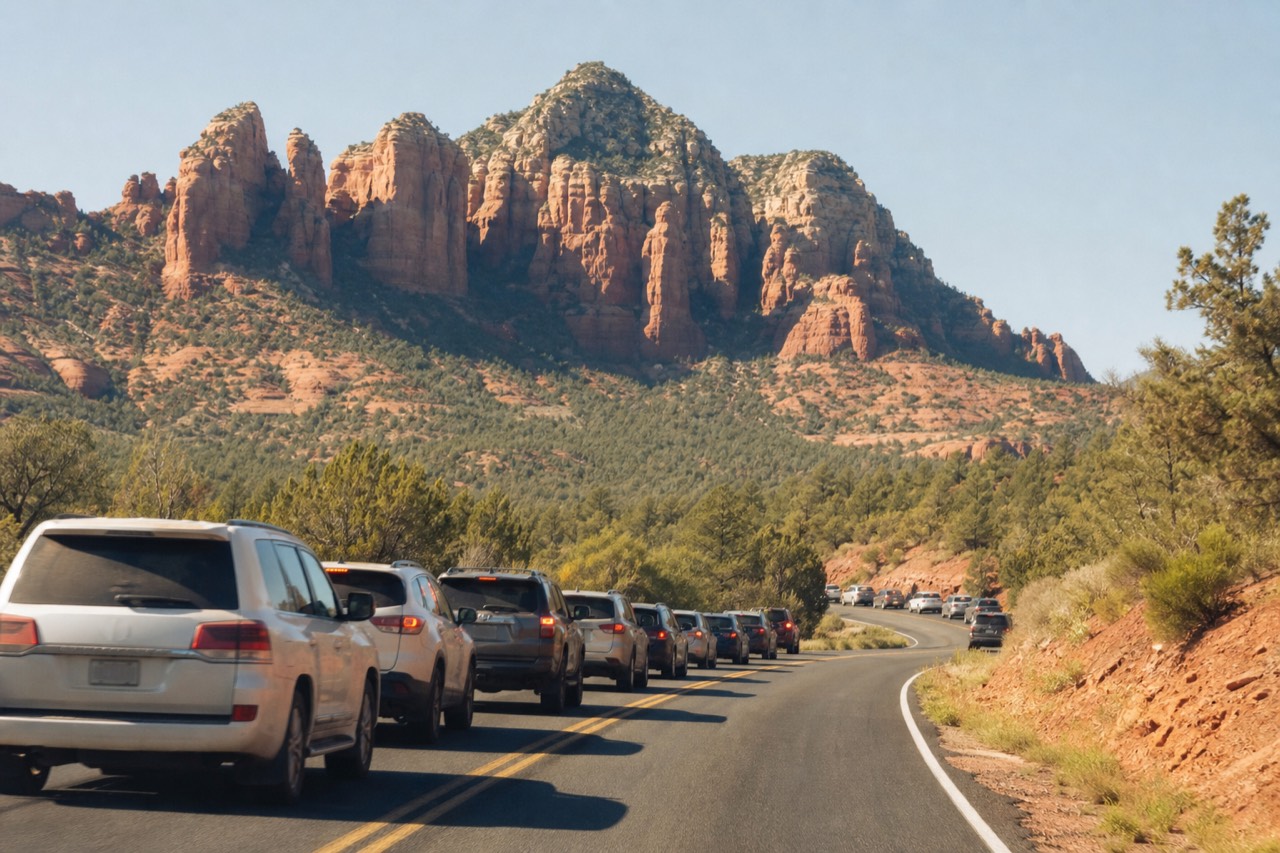
The Cathedral Rock trailhead lot fills before most visitors have finished breakfast. By ten on a March Saturday the overflow is a slow crawl back down toward the highway, and the people in those cars have already lost the morning they flew in for. That is Sedona at its worst. Notice that the weather had nothing to do with it.
Almost every answer to this question hands you average highs and stops there. Temperature is the least interesting variable here. What actually ruins a Sedona day is a full parking lot, a two-lane road with no alternative, or a thunderstorm that arrives at exactly the hour you planned to be standing on exposed sandstone.
What is the worst time to visit Sedona?
Mid-March through April is the hardest stretch. Arizona school spring breaks land in mid-March 2026, March through May is documented peak visitation, and the city runs its trailhead shuttle seven days a week from February 26 to April 26. Late June and July stack real heat on top of monsoon afternoons instead.
There are two separate bad seasons and people keep merging them. One is crowd-bad: March through May, then September through mid-December, when the weather is gorgeous and everyone in the Southwest knows it. That crush is the reason the Secret 7 program exists. The other is weather-bad: late June through August, when the heat is genuine and the monsoon is live. They do not overlap, which is lucky, because it means there is no month where everything goes wrong at once.
The shuttle schedule is the most useful signal the city publishes. Sedona Shuttle trailhead routes serve Cathedral Rock, Little Horse, Soldiers Pass, Dry Creek Vista and Mescal on a Thursday-to-Sunday base schedule, and the expansion to seven days a week runs February 26 to April 26 in 2026. That window is the city stating, in operational terms, when it expects parking to break. If you are still deciding how long a Sedona trip really needs, that calendar matters more than the forecast does.
How hot does Sedona get in summer?
Sedona's average July high runs 93 to 96°F, and July is the warmest month of the year. Cottonwood and the lower Verde Valley average roughly 5°F hotter still, because they sit at lower elevation. Shade is scarce on red rock, and the heat is already unpleasant by mid-morning rather than mid-afternoon.
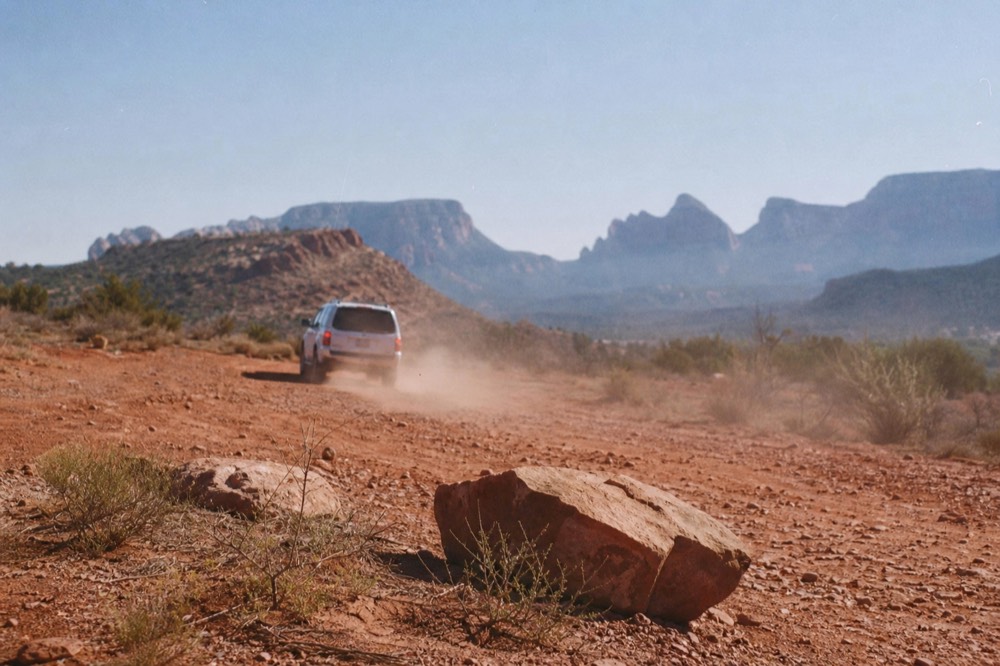
Here is the part most guides get backwards, and I would rather say it plainly than sell you a fantasy: driving down to the wine country is not an escape from the heat. It is a descent into more of it. The valley floor at Cottonwood and Camp Verde runs hotter than Uptown Sedona, not cooler, and anyone promising you a cool valley afternoon in July has not checked.
What changes is not the temperature. It is the roof. A tasting room is an indoor room with air conditioning and a bar, and the difference between a July hike and a July tasting is that one of them is a fight and the other is a pleasant sit. The tours that work in high summer are the short, early ones. A three-hour express run covering two vineyards with a charcuterie board keeps you out of the sun for the worst of the afternoon, and you can check the current price and departure times before committing to a date.
When is monsoon season in Sedona?
Arizona's monsoon officially runs June 15 to September 30. Storms build in the afternoon and evening and bring lightning, hard rain and flash-flood risk to both Sedona and the Verde Valley. Mornings are usually clear. A monsoon afternoon wrecks an exposed hike or a river paddle, and barely touches an indoor tasting.
The University of Arizona's monsoon resources put the season on fixed calendar dates rather than on conditions, which is more useful than it sounds. It means you can plan around a known window instead of refreshing a forecast three days out. Storms in this region are an afternoon and evening pattern, so a June morning and a June afternoon are effectively two different climates.
The activity that deserves the most respect here is the river. Flash flooding on the Verde is not a theoretical risk during monsoon, and a guided paddle that ends at a vineyard is a wonderful day in May and a genuinely weather-dependent one in August. If that is the day you want, read up on planning the kayak-to-tasting day properly and book a morning slot. The rest of the adventure-side tours are less exposed.
When is Sedona most crowded?
Peak visitation runs March through May and again from September into mid-December. Spring break is the sharpest spike: Arizona districts schedule it across mid-March 2026, with common weeks of March 8 to 12, March 15 to 19 and March 16 to 20. Holiday weekends compress the same pressure into three days on a two-lane highway.
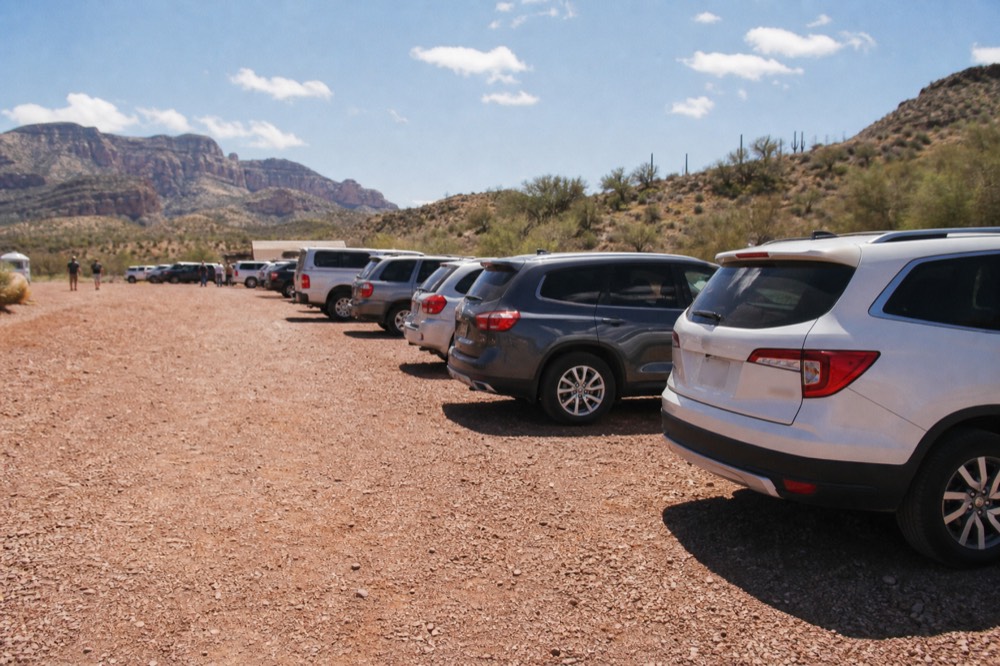
The staggered spring break is what catches people out. Arizona districts do not break on the same week, so instead of one bad week you get roughly three consecutive ones, and the second is usually the worst because out-of-state breaks land on top of it. Add Memorial Day, the Fourth of July and Labor Day, and you have a handful of specific dates that behave nothing like the month around them.
Traffic is the mechanism. SR-89A and State Route 179 are the only real ways through town, so a busy day does not spread out, it queues. Guests always underestimate the drive back up 89A in the evening, and that is on an ordinary Tuesday. On a holiday Sunday it is a different proposition entirely. The Sedona Shuttle exists precisely because the trailhead lots stopped being able to absorb it.
Which months are worst, month by month?
No month is uniformly bad. March and April are crowd-bad with excellent weather, July is heat-bad with light crowds, and January carries a small but real chance of snow closing SR-89A through Oak Creek Canyon. The table below separates the crowd risk from the weather risk instead of averaging them into one useless score.
| Month | Main risk | Crowd pressure | Effect on a valley wine day |
|---|---|---|---|
| January | Cold snaps, occasional snow closing 89A through Oak Creek Canyon | Low | Minimal, tasting rooms open and quiet |
| February | Shoulder, shuttle expansion starts Feb 26 | Rising | None |
| March | Staggered Arizona spring breaks, peak visitation begins | Highest | Book pickup, do not self-drive on weekends |
| April | Peak visitation, shuttle at 7 days a week to Apr 26 | Very high | Weekend tasting rooms busier, weekdays fine |
| May | Peak visitation, Wine Festival May 9 at Riverfront Park | High | Best all-round month for wine, book early |
| June | Heat climbing, monsoon opens June 15 | Falling | Morning tours strongly preferred |
| July | Warmest month, 93-96°F average high in Sedona | Low | Indoors is the point, avoid open-air stops |
| August | Heat plus active monsoon, crush begins late month | Low | Afternoon storm risk, river trips least reliable |
| September | Monsoon runs to Sep 30, peak visitation returns | Rising | Harvest season, excellent if you dodge afternoons |
| October | Crush through mid-month, near-perfect conditions | High | The best month in the valley, full stop |
| November | Peak season continues, Thanksgiving week spikes | High | Fine midweek, avoid the holiday itself |
| December | Peak to mid-month, then quiet | Mixed | Quiet and cold after the 15th, very pleasant |
Are bad Sedona weeks also bad Verde Valley wine weeks?
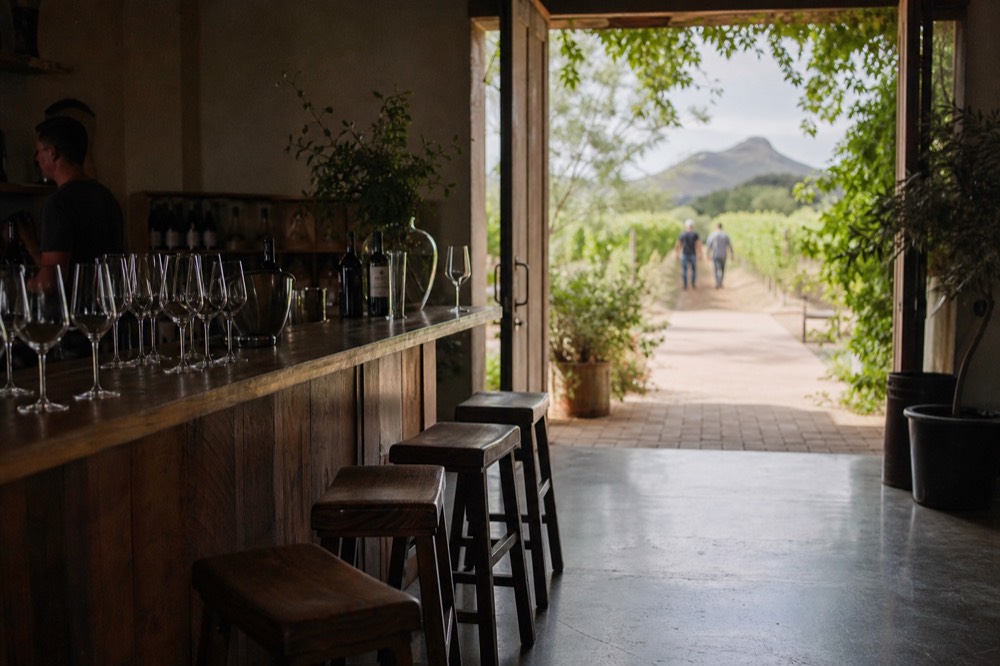
Mostly no, and this is the useful part. The wine grows 25 to 35 minutes southwest of Uptown Sedona, on roads that spring-break traffic does not use, into tasting rooms with a roof and air conditioning. Heat, storms and trailhead gridlock hit a red rock day far harder than they hit a valley tasting day.
Look at what each bad condition actually breaks:
| Condition | Red rock hiking | Open-air jeep | Verde River paddle | Valley tasting rooms |
|---|---|---|---|---|
| Mid-March spring break | Severe, lots full by 8 a.m. | Moderate, book far ahead | Light | Light, weekdays normal |
| July heat, 93-96°F | Severe | Severe after mid-morning | Moderate, water helps | Minimal, indoors |
| Monsoon afternoon | Severe, lightning risk | Severe | Severe, flash-flood risk | Minimal |
| Holiday weekend on 89A | Severe | Moderate | Light | Moderate, drive time only |
| January snow on 89A | Moderate | Moderate | Closed season | Minimal, valley rarely affected |
The valley does have exactly one crowded Saturday of its own, and it is worth naming. The 2026 Verde Valley Wine Festival runs Saturday, May 9, from 11 a.m. to 6 p.m. at Riverfront Park in Cottonwood, and it is a genuinely good event that took a 2025 Arizona Travel Award. It also pulls a large crowd into the exact area the tasting tours run through. If you want the festival, go to the festival. If you want a quiet tasting day, pick a different Saturday in May, because that one is spoken for.
The one column that stays calm through almost everything is the last one. That is the whole argument for treating the valley as the escape valve rather than the consolation prize: it is 24 vineyards and 11 wineries across roughly 200 square miles, and it does not share Sedona's parking problem. Worth knowing how far the wineries actually sit from town before you assume it is a long haul, because it is not.
The exception is drive time. On a holiday Sunday the road back up is slow no matter what, which is the strongest practical case for letting someone else drive. The full-day limo-bus run covers four wineries with a picnic between pours and handles the 89A problem for you, and you can see current dates and pickup points if that is the week you are stuck with. For the detailed harvest and month scoring on the wine side specifically, the month-by-month wine calendar goes deeper than this page does.
How do you plan around Sedona's worst weeks?
Pick your constraint and plan the opposite half of the day. In peak season, be at a trailhead by seven or skip trailheads entirely. In monsoon, do everything outdoors before noon. On a holiday weekend, do not drive yourself. And if the dates are locked, shift the trip's centre of gravity southwest into the valley.
The trick is that Sedona rewards early and the valley rewards late. Tasting rooms open mid-morning and stay pleasant through the hottest and stormiest hours of a summer day, which means a bad Sedona afternoon and a good valley afternoon are frequently the same afternoon. Guests who understand that stop trying to fix the weather and start reorganising the clock.
If you are coming in March or over a holiday, book the tour first and the hotel second. The tours with door-to-door pickup sell out on exactly the dates the parking fails, which is not a coincidence. The shared vineyard runs start from $79 per person and cancellation is free up to 24 hours out on all but one of them, so holding a date costs you nothing if the week turns out better than you feared. A shared all-inclusive day with tasting fees and lunch built in removes the last variable, and you can check what is included and what it costs directly.
One last thing worth saying: the "worst" time to visit Sedona is still Sedona. July is hot and quiet, January is cold and empty, and both are perfectly good weeks to drink Arizona Syrah in a room with a view of the vines. The months to genuinely think twice about are the three or four spring weeks when the town is at capacity and you have no plan for it.