What Is the Secret 7 in Sedona?
Sedona's Secret 7 is an official Visit Sedona program: 49 lesser-known places across seven categories, built to spread crowds. Here is how to actually use it.
 By Patricia Collins, Sedona wine tour specialist & Verde Valley experience guide
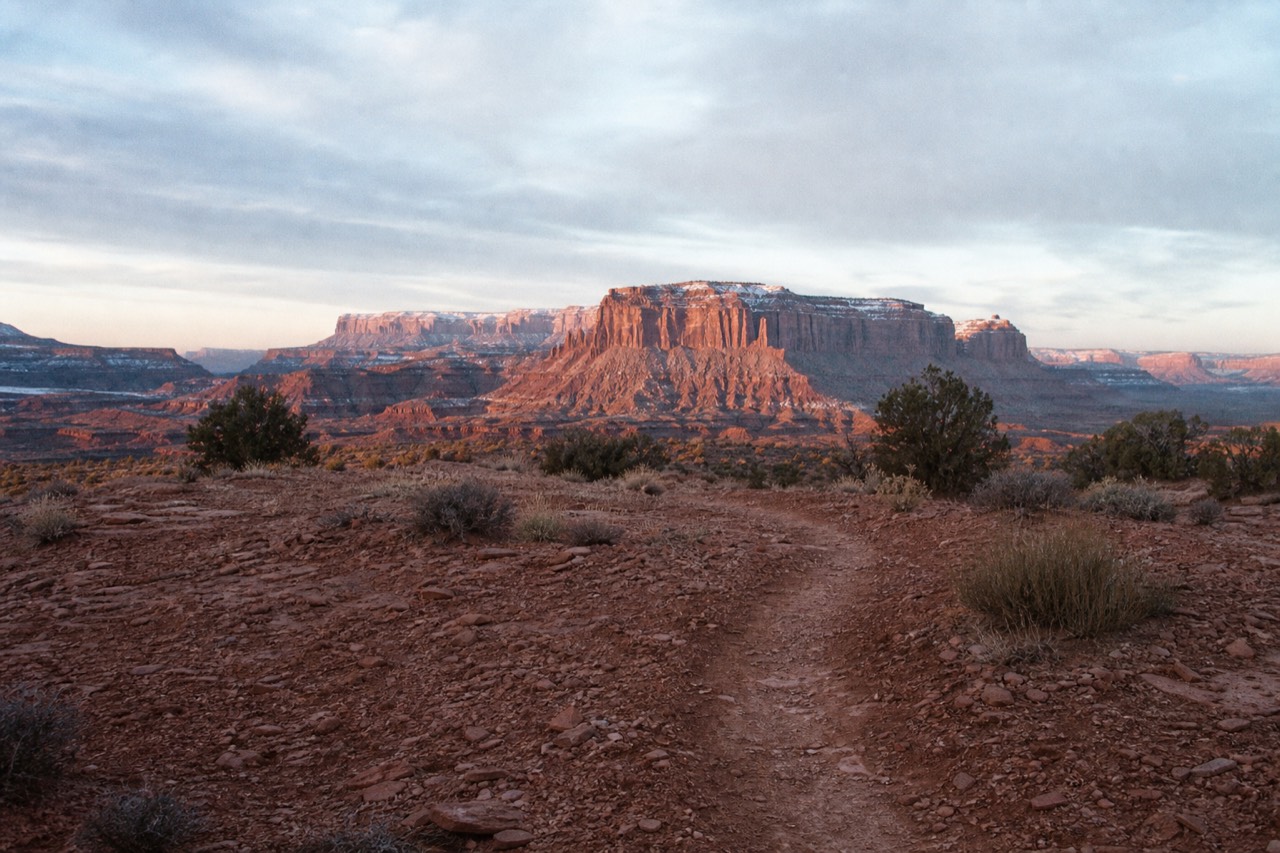
There is something slightly funny about a tourism bureau publishing a list of its own secrets. Sedona did it anyway, and the reason is written into the program: the town has five or six landmarks that absorb almost everyone who visits, and the rest of Red Rock Country sits half empty while people idle in a parking queue.
That is the Secret 7. Not a local's whisper network, not a hidden-gem blog post. An official program with a stated purpose, and one that turns out to pair unusually well with a wine day, for reasons that have nothing to do with wine and everything to do with timing.
What is Sedona's Secret 7?
The Secret 7 is an official program from the Sedona Chamber of Commerce and Tourism Bureau that highlights 49 lesser-known places in Red Rock Country, grouped into seven categories with seven suggestions in each. Its stated purpose is getting visitors outdoors and away from crowds, as part of the Sedona Sustainable Tourism Plan.
The structure is the clever part. Rather than one long list of alternatives, which nobody reads past item four, it splits into seven themed sets of seven. You arrive already knowing whether you want a sunset view or a picnic spot, so you go straight to the relevant seven instead of scanning forty-nine options and defaulting back to the famous one.
It also sits inside a larger framework rather than standing alone. The program runs alongside the Sedona Cares Pledge and the Sustainable Tourism Plan, which is the town's formal admission that its visitor load and its infrastructure stopped matching some years ago. The official Secret 7 page carries the current list, and I would send you there for the actual places rather than reprint a version that may already be stale.
What are the seven Secret 7 categories?
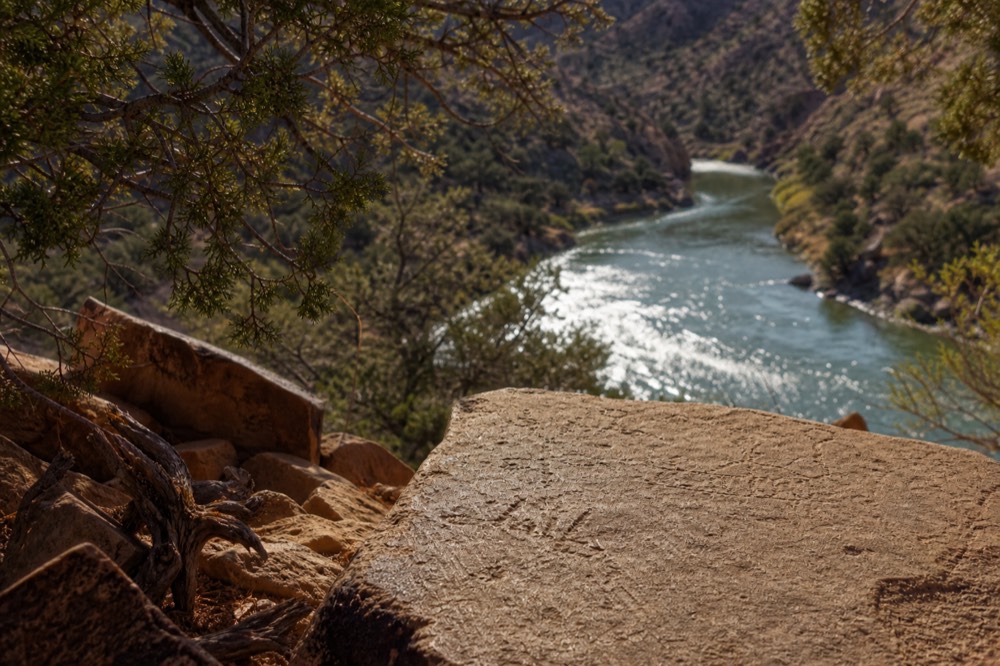
The seven categories are Ancient Trails, Hiking Trails, Biking Trails, Picnics, Sunrise and Sunset Vistas, Stargazing, and Arts and Culture. Each holds seven suggested places, for 49 total. The spread is deliberate: two of the seven categories require no hiking at all, which matters more than most visitors expect.
| Category | What it covers | How it fits a wine day |
|---|---|---|
| Ancient Trails | Routes to archaeological and heritage sites | Strong morning option, cool hours, low effort |
| Hiking Trails | Alternatives to the shuttle-served trailheads | Morning only, finish before pickup |
| Biking Trails | Lesser-ridden singletrack | Hard to combine, take a separate day |
| Picnics | Quiet spots to sit and eat outdoors | Works better after a tasting than before |
| Sunrise and Sunset Vistas | Overlooks away from the famous ones | The single best pairing, sunrise or post-tour |
| Stargazing | Dark-sky spots in the Red Rock area | Evening, after a tour ends |
| Arts and Culture | Galleries, studios and cultural sites | Rainy or monsoon afternoons, indoors |
Two things stand out reading that. First, the categories are not all hikes, which is the assumption most people bring to the phrase "Secret 7". Stargazing and Arts and Culture ask nothing of your legs. Second, the timing of most of them is either early or late, which leaves the middle of the day genuinely free. That is the gap a tasting tour drops into without any scheduling gymnastics. If hiking is not why you came at all, what else fills a Sedona day is worth a look.
Why does Sedona publish a list of its own hidden places?
Crowd dispersal. Sedona's peak visitation runs March through May and September into mid-December, and its most popular trailheads run out of parking early on those days. The city operates a trailhead shuttle for Cathedral Rock, Little Horse, Soldiers Pass, Dry Creek Vista and Mescal precisely because those five stopped being able to absorb demand.
The shuttle numbers make the pressure legible. Sedona Shuttle trailhead routes run Thursday to Sunday as a base schedule, and expand to seven days a week from February 26 to April 26 in 2026. A city does not triple a bus schedule for two months on a hunch. That window is the operational shadow of spring break, and the Secret 7 is the softer half of the same policy: the shuttle manages the crowd at the famous places, and the list tries to reduce how many people go there in the first place.
Whether it works is a fair question. A place published on the official tourism site is, by definition, no longer secret. What the program actually delivers is not solitude but distribution, and distribution is enough. Forty-nine options against five landmarks changes the odds considerably, especially in the weeks Sedona is genuinely at capacity.
Is the Secret 7 still active in 2026?
Yes. The program is live and maintained by the Sedona Chamber of Commerce and Tourism Bureau as of 2026, and it remains part of the Sedona Sustainable Tourism Plan. The list is published rather than static, so the practical advice is to check the official page close to your trip rather than trust a third-party copy.
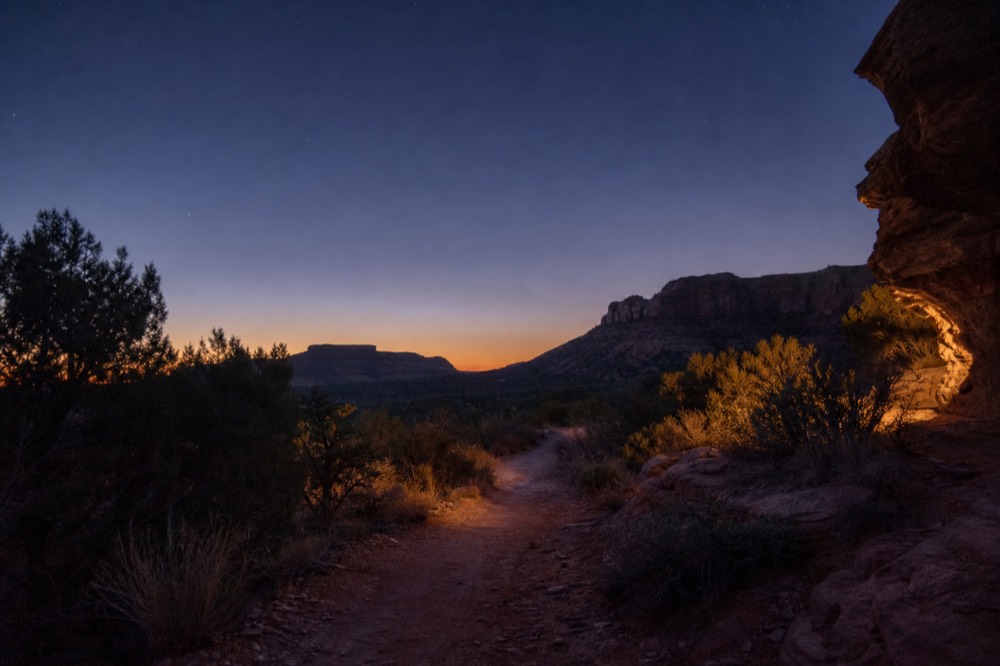
This matters because a lot of the Secret 7 content floating around the web is a copy of a copy. Lists get rotated, individual places get swapped in and out, and a blog post from three years ago will confidently send you somewhere no longer on it. The program page is the only version I would plan against.
There is a second reason to check late. Some of these places sit on Coconino National Forest land where a Red Rock Pass is required for parking at many trailheads, currently around $5 per day. That is a trivial cost and an easy thing to forget until you are standing at a kiosk. If you have booked a tour with hotel pickup for the afternoon, the pass only concerns your own morning.
Do the Secret 7 spots actually stay quiet?
Quieter, not empty. The honest framing is that these are the second tier of a very popular destination, so a Secret 7 viewpoint on an April Saturday still has people on it. Time of day does far more work than location does: an unremarkable trailhead at 7 a.m. beats a famous one at any hour.
I would rather say that plainly than sell the idea of having Red Rock Country to yourself in peak season. What the program buys you is a trailhead with parking available, which in March is worth more than scenery. The photographs from the second tier are frequently better anyway, because you are looking at the famous formations rather than standing on them.
There is a category effect too. The hiking and biking entries carry the most competition, since those are what people search for when they type "Sedona" into anything. Stargazing and Arts and Culture stay quiet more or less by default, partly because they run at hours when day visitors have already driven back to Phoenix. If your priority is genuinely avoiding people rather than ticking a landmark, start with the two categories nobody thinks to open. Stargazing is also the one category with a proper guided version, telescopes included, booked separately from anything else in your trip; check the tour here.
The pattern that works, and the one I recommend to almost everyone who asks, is early and outward. Take a Secret 7 morning starting at first light, be finished by ten or eleven, then move southwest and downhill for the afternoon. Sedona's crowd peaks between eleven and three. That is exactly when the tasting rooms 25 to 35 minutes away are pleasant and largely unbothered, and it is the reason pairing vortex sites with vineyards has become a standard Sedona day rather than a novelty.
How do you build a day around the Secret 7 and the wine country?
Front-load the red rock and back-load the valley. A Secret 7 category that suits early light takes the first three hours, then a tour picks you up from your hotel between eleven and one. Most valley tasting tours run three to six hours, which lands you back in Sedona before the evening traffic on 89A builds.
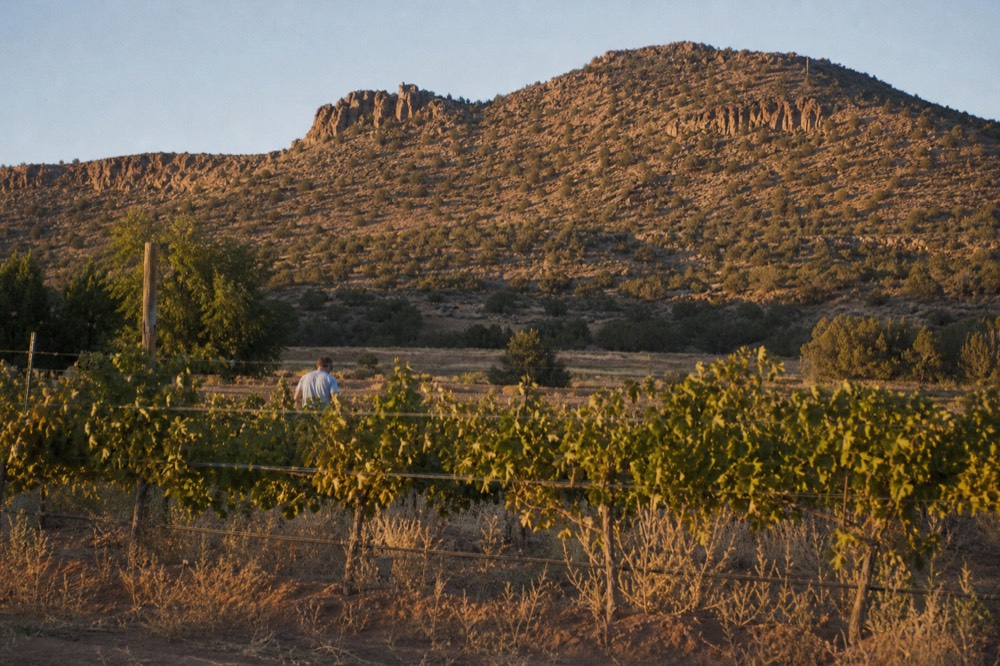
The drive times are what make this workable. Uptown Sedona to the Page Springs and Cornville cluster runs 25 to 35 minutes, Old Town Cottonwood about 30, Alcantara near Camp Verde about 35, and Jerome about 45. None of that is a day trip. It is a short descent, which is why the two halves fit inside one day at all.
| Tour length | Typical pickup | Back in Sedona | Secret 7 morning? | Sunset vista after? |
|---|---|---|---|---|
| 3 hours, two vineyards | Late morning | Early afternoon | Comfortably | Yes, easily |
| 3 to 4 hours, vortex plus two wineries | Late morning | Mid afternoon | Yes, keep it short | Yes |
| 4 to 6 hours, private custom stops | Flexible | Late afternoon | Yes, start at first light | Tight, depends on season |
| 6 to 7 hours, four wineries with lunch | Morning | Early evening | No, pick one or the other | No |
The three to four hour bracket is the sweet spot for this kind of day, and it is where the vortex-and-vineyard format sits. That one runs a prickly-pear mimosa, a vortex experience with a personalised reading, then D.A. Ranch, Javelina Leap and the Airport Overlook, hosted by wildlife presenter Rachel Reenstra, at 4.8 across 206 reviews. You can check current dates and what is included if that shape of day appeals.
If you want to dictate the stops instead, a private door-to-door run with three or four custom stops gives you the flexibility to build the afternoon around whichever Secret 7 category you picked for the morning, and you can see how the private pricing works before deciding. The shared vineyard lineup is the cheaper route if a fixed itinerary suits you.
Is a Secret 7 morning plus a valley afternoon worth it?
For a two or three day Sedona trip, it is close to the best structure available. You get red rock at its best hour, you skip the parking fight entirely, and the middle of the day goes to something indoors and unhurried instead of a hot, busy trailhead at noon.
The argument against is simple enough to state: you will not see the five famous formations up close this way, and for a first visit that may not be acceptable. Fair. My suggestion is to give the famous ones one early morning and the Secret 7 the other, then run the wine afternoon on whichever day you have the tour booked.
What surprises people is how little the two halves compete. Sedona's landscape is the reason you came and the valley is where the agriculture actually happens, 24 vineyards and 11 wineries across roughly 200 square miles of ground that most visitors never drive down into. The Page Springs and Cornville cluster alone would justify the descent. That the tourism bureau spent real effort building a program to send you outward, and that the same instinct points you toward the wine country, is not a coincidence. Both are answers to the same overcrowding problem.