What to Bring Back From Sedona?
Verde Valley bottles, prickly pear, Native art bought properly and the photographs that actually hold up, plus what to leave on the shelf and how to fly it home.
 By Patricia Collins, Sedona wine tour specialist & Verde Valley experience guide
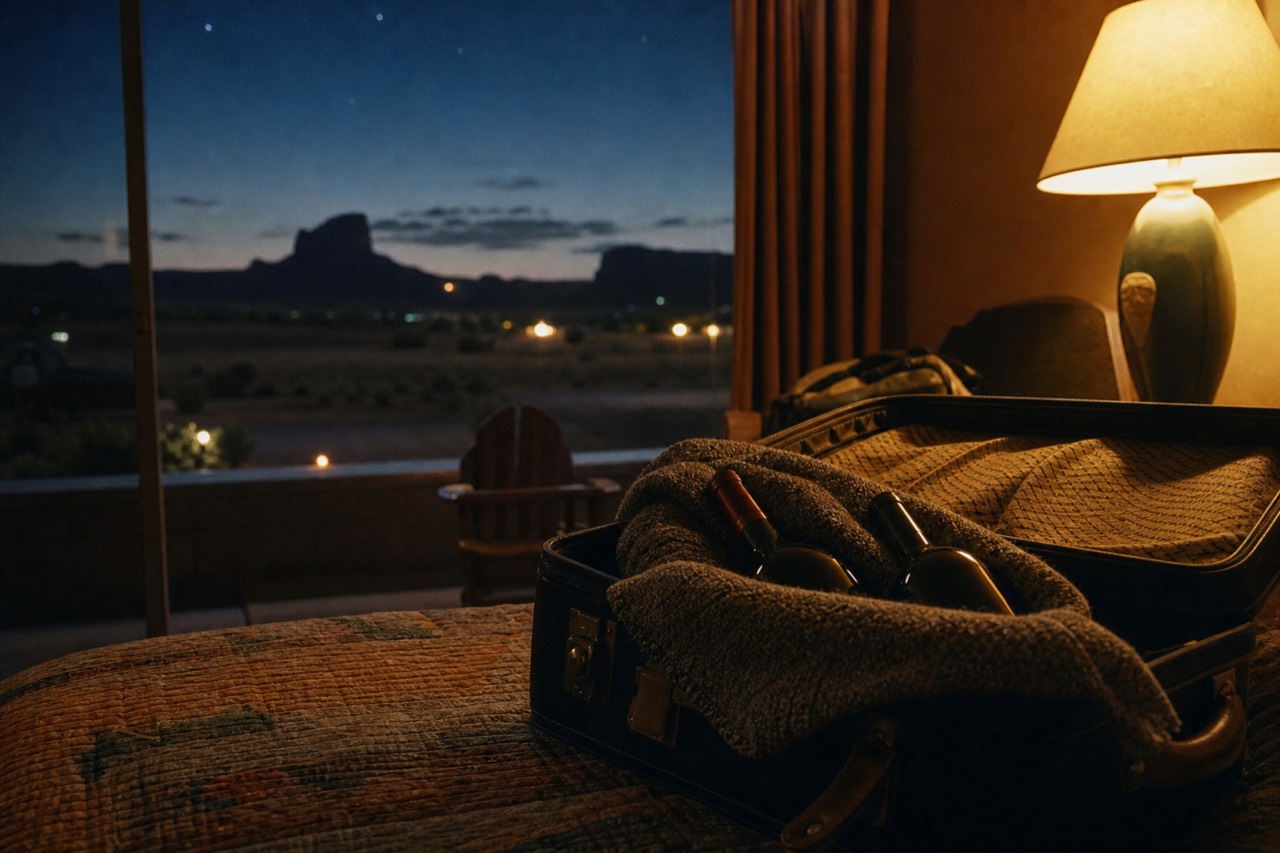
At the end of a tasting day, the thing guests are actually holding is almost never the thing they planned to buy. They came for a magnet and they are walking back to the hotel with two bottles of Barbera and a jar of prickly pear jelly, working out whether the suitcase can take it. That is the right outcome, and it happens by accident more often than by plan.
Here is the problem with Sedona souvenir shopping. Uptown is very good at selling things that have no connection to Arizona at all, priced as though they do. The valley twenty-five minutes southwest is very good at making things that could not come from anywhere else, and most visitors never get there. This page is about closing that gap.
What is actually made here, and what only passes through?
Four categories are genuinely local: Verde Valley wine, prickly pear food products, Native American art from the region's artists, and your own photographs. Nearly everything else in a Sedona gift shop, including most of the crystals, was manufactured or mined elsewhere and carries a red rock markup for the privilege of being sold here.
That is not a moral position, just a shopping one. If you love a piece, buy it. But know which side of the line it sits on, because the price gap between "made in the Verde Valley" and "sold in the Verde Valley" is real and it is not always in the direction you expect. A bottle from a small Cornville producer often costs less than a mass-market souvenir and is a hundred times harder to find at home.
The wine case is the strongest one available. The Verde Valley AVA was established by federal designation in November 2021 as Arizona's third growing region, and it now runs about 125 planted acres across 24 vineyards and 11 wineries, with 25 tasting rooms spread across Cottonwood, Cornville, Page Springs, Camp Verde, Clarkdale and Jerome. Almost none of it is distributed nationally. If you want it later, you buy it now.
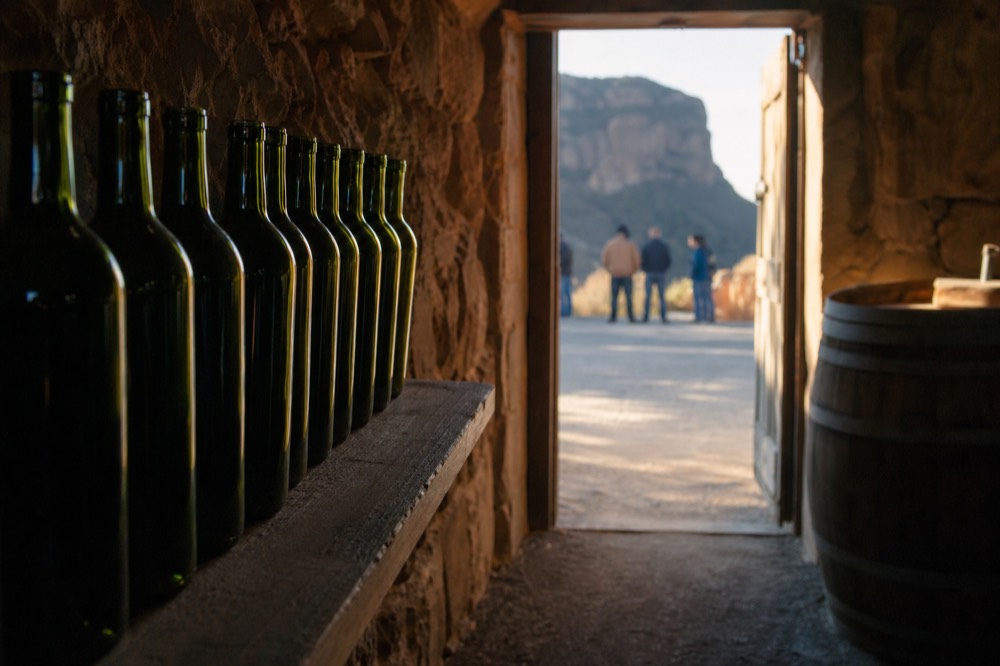
Which bottles are worth the suitcase space?
Look for what the valley actually grows well rather than what you already drink. Plantings lean Rhône and Italian: Syrah, Sangiovese, Barbera, Malvasia Bianca, plus Petite Sirah and Picpoul Blanc. Syrah was Arizona's top variety by acreage in 2025, and it is the bottle most likely to change someone's mind about Arizona wine.
I am not going to print bottle prices on this page, and the reason is honest rather than coy. Verde Valley pricing moves by vintage, by producer and by how small the release was, and a number typed here in August will be wrong by the time you are standing at the bar. What is stable is where things come from and how far you have to drive, so that is what the table gives you.
| What to bring back | Where it actually comes from | Drive from Uptown Sedona | What to check before you pay |
|---|---|---|---|
| Estate reds and whites | Page Springs and Cornville cluster | 25-35 min | Which states the winery can ship to |
| River-valley bottles | Alcantara Vineyards, Camp Verde | about 35 min | Release size, small lots sell out |
| Old Town labels | Cottonwood tasting strip | about 30 min | Whether the room is an estate or a tasting outpost |
| Jerome labels | Caduceus Cellars, the Original Jerome Winery | about 45 min | Allocation and release timing |
| Prickly pear food products | Regional fruit, packed locally and not | in town | Where it was actually produced |
| Native American art | Regional artists, sold through galleries | in town and valley-wide | Artist name and nation, written on the receipt |
| Crystals and stones | Imported, like everywhere else | in town | That "Sedona" on the tag is marketing |
The practical move is to taste widely and buy at the last stop of the day, not the first, so you are not carrying glass through three more wineries. On a full-day run that covers up to four wineries with a picnic in the middle, the vehicle is doing the carrying anyway, and you can check current dates and pickup points if that is the version of the day you want. The whole set of tasting-room options is laid out in the full winery rundown, and the Jerome end of it in the Caduceus and Merkin write-up.
How do you get wine home without breaking it or a rule?
Wine is a liquid, so it does not go through airport security in your carry-on. It flies in checked baggage, wrapped, or the winery ships it. Shipping rules are set state by state and each winery holds its own list of where it can send, so the only current answer is the one the tasting room gives you at the bar.
I get asked for a shipping-state list constantly and I will not publish one, because those lists change and a wrong one costs someone a case of wine. Ask at the counter. Every room in the valley has had that conversation a thousand times and will tell you in ten seconds whether they can reach your address.
| Route home | Best for | The catch |
|---|---|---|
| Your own car | Anything, any quantity | Summer trunk heat cooks wine; use the cabin, not the back |
| Checked luggage | One to six bottles | Pack in the middle of soft clothes; airlines set their own alcohol allowances |
| Winery ships it | Cases, allocations, anything heavy | Depends entirely on your state and that winery's licence |
| Shop ships it | Art, ceramics, framed pieces | Ask about insurance and who packs it |
| Carry-on | Nothing liquid | Prickly pear syrup and jelly count as liquids too |
One detail people miss: the drive from Sedona to Phoenix is roughly two hours, most of it descending into serious heat. If you are flying out of Phoenix in July with bottles in the trunk, you have effectively cooked them. Move them into the air-conditioned cabin. It sounds fussy and it is the difference between a good bottle and a cooked one.
Are prickly pear products worth buying?
Yes, with one check. Prickly pear is genuinely of this desert and the flavour is real, somewhere between watermelon and bubblegum with an earthy finish. The check is where it was produced, because plenty of prickly pear syrup sold in Sedona is bottled well outside Arizona and priced as a local product.
The version most people meet first is a prickly pear mimosa, which turns up as the opening pour on the vortex-and-vineyards morning before it heads down to D.A. Ranch and Javelina Leap. It is a good introduction because it shows you the fruit without the sugar load of a candy.
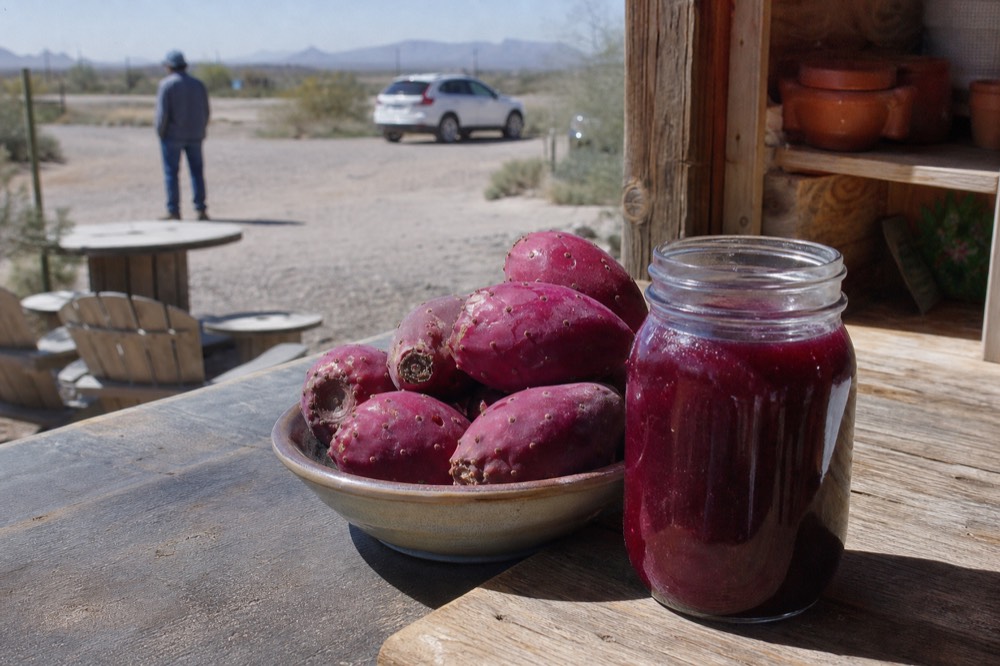
Syrup travels best. Jelly is fine. Candy is mostly sugar wearing a cactus costume. If you want one item, take the syrup, because it survives a suitcase and it turns into something at home rather than sitting in a cupboard as a novelty.
How do you buy Native American art properly?
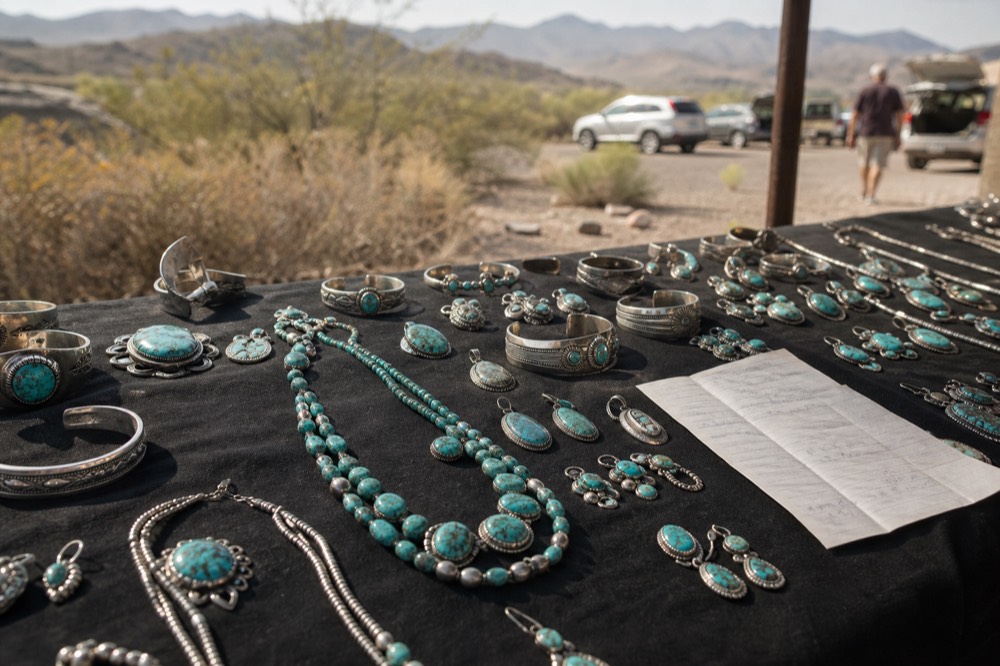
Buy from a gallery or a seller who will name the artist and their nation, and get that written on the receipt. Federal law makes it illegal to sell a product as Indian-made when it is not, which is exactly why the wording on a tag matters. Vague phrases like "Native-style", "Southwest design" or "in the tradition of" are the language of a product that is not what it looks like.
Ask three questions and you will sort most of it out. Who made this, where are they from, and can you write that down. A gallery selling genuine work answers all three without hesitating, because that provenance is the value. A shop selling imports gets uncomfortable at the first question.
Price is not the tell people think it is. Cheap can be authentic and expensive can be imported. The tell is specificity: a named artist, a named nation, a receipt that matches. Pay for the piece, not for the setting it is displayed in.
If a piece is fragile or framed, have the gallery ship it. Turquoise and silver travel fine in a bag. Pottery does not, and a broken pot in a suitcase ruins more than the pot.
What should you skip, and what is free?
Skip the crystals sold as Sedona crystals, the mass-produced "vortex energy" trinkets, and anything with a red rock printed on it that was made offshore. The best thing you take home costs nothing: your own photographs, shot in the first or last ninety minutes of light, when the rock actually does the thing it is famous for.
Midday photographs of Sedona are flat and slightly disappointing, which surprises people who have only seen the postcard version. The light that makes those postcards happens early and late. Shoot then and even a phone gets something worth printing.
The other free thing is the trail passport. The Verde Valley Wine Trail runs an official passport app that stamps as you visit rooms, and it functions as a record of the day at no cost. Arizona has also approved an Arizona Wine Trail specialty plate, which is a small sign of how far this region has come since the AVA was federally established in 2021.
Where do you do all this buying in one day?
Build the day around one geographic cluster, not around a list. Page Springs and Cornville together, or Old Town Cottonwood, or Jerome. Trying to cover all three means four hours in the car and a rushed purchase at every stop, which is how people end up buying nothing they remember.
Cottonwood's Old Town strip is the easiest single-stop answer if shopping is the point, because the tasting rooms sit within a short walk of the galleries and the food, and the drive back to Sedona is about half an hour. The detail is in the Old Town Cottonwood walkthrough.
If you want to buy at the source instead, a private day is the version that actually holds cargo and lets you decide where to spend the extra twenty minutes. A custom door-to-door route with three or four stops of your choosing starts at $195 per person, and you can see which wineries it currently visits before you plan around it. The full private set is at the private tour options, and the shared runs at the shared vineyard lineup.
One last option that is not a shopping trip at all but sends people home with bottles anyway: the first-class Verde Canyon Railroad car pairs Southwest wines with cheeses and winemaker commentary across four hours from the Clarkdale depot, at $202 per person. It is a strange and good afternoon, and you can check the current departure schedule against your last day. If you are still working out how the tasting rooms themselves operate, what to expect at a winery covers the mechanics before you spend anything.